
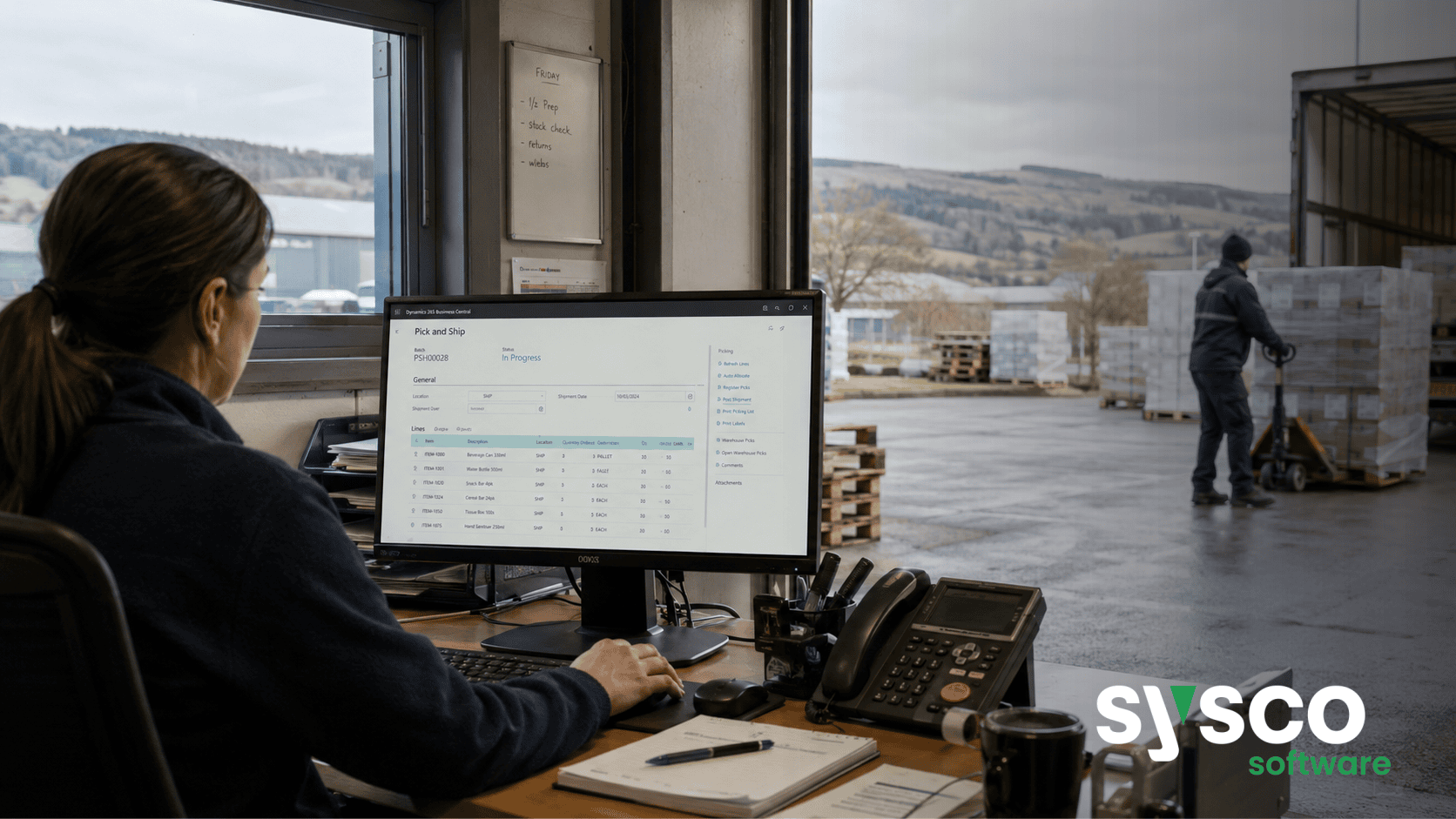
ERP Buyers: A Step-by-Step Guide to Success
Many Scottish organisations believe that implementing an Enterprise Resource Planning (ERP) system is solely about selecting the “right” software, often focusing on features and vendor comparisons without considering the broader business transformation required. The reality is far more nuanced; successful ERP implementation hinges on a structured approach that prioritizes understanding your business needs, defining clear objectives, and carefully evaluating solutions – something many Scottish businesses overlook.
Understanding Your Business Needs: The First Step to ERP Success
Before even considering specific software vendors or modules, it’s crucial to thoroughly understand the current state of your business. This isn’t just about identifying pain points; it’s about understanding how those pain points impact critical processes and strategic goals. Conduct a comprehensive assessment across all departments – finance, operations, sales, purchasing, warehousing – to identify inefficiencies, bottlenecks, and areas for improvement.
This initial phase should involve gathering input from key stakeholders at all levels of the organisation. Don’t just rely on senior management’s perspective; frontline employees often possess invaluable insights into daily operational challenges. Workshops, interviews, and process mapping exercises can be incredibly beneficial in uncovering hidden inefficiencies.
Defining Requirements: Beyond the ‘Nice-to-Have’ List
Once you have a clear understanding of your business needs, it’s time to define specific requirements. This goes beyond simply creating a ‘nice-to-have’ list; it requires prioritizing features and functionalities based on their impact on core business objectives. Categorize requirements as ‘must-have,’ ‘should-have,’ and ‘could-have’ to guide the evaluation process.
Consider future scalability when defining your requirements. Your ERP system should be able to accommodate growth in terms of users, transactions, and data volume.
Don’t just think about today’s needs; anticipate those of the next three to five years. For Scottish food and drink manufacturers, this might mean considering increased export volumes or compliance with evolving regulations.
Evaluating ERP Solutions: Key Considerations for Scottish Businesses
With a well-defined list of requirements in hand, you can begin evaluating potential ERP solutions. This process should involve more than just comparing features; it requires assessing vendor reputation, implementation methodology, and ongoing support capabilities.
- Local Expertise: Given Sysco Software Scotland’s focus on the Scottish market, consider a partner with experience serving similar businesses in your region. They’ll understand local regulations, industry nuances, and common operational challenges.
- Cloud vs. On-Premise: Evaluate the pros and cons of cloud-based versus on-premise deployment models. Cloud solutions offer greater flexibility and scalability, while on-premise deployments provide more control over data security (though at a higher cost).
- Integration Capabilities: Ensure that the ERP solution can seamlessly integrate with existing systems, such as e-commerce platforms or warehouse management systems. Disconnected systems negate many of the benefits of an integrated ERP platform.
- Total Cost of Ownership (TCO): Don’t just focus on the initial software licensing costs; consider the TCO, which includes implementation fees, training expenses, ongoing maintenance, and support charges.
The Implementation Process: A Phased Approach
ERP implementations are complex projects that rarely succeed with a ‘big bang’ approach. A phased implementation allows for better control, reduced risk, and increased user adoption.
- Phase 1: Planning & Design: This phase involves detailed planning, gap analysis, and solution design.
- Phase 2: Configuration & Customization: The ERP system is configured to meet specific business requirements, and any necessary customizations are developed.
- Phase 3: Testing & Training: Thorough testing ensures that the system functions as expected, and user training prepares employees for go-live.
- Phase 4: Go-Live & Support: The ERP system is launched, and ongoing support is provided to address any issues or questions.
Clear communication throughout the implementation process is paramount. Regular updates, progress reports, and stakeholder meetings keep everyone informed and aligned.
Data Migration and Integration: Ensuring a Smooth Transition
Data migration – transferring data from legacy systems to the new ERP platform – is often one of the most challenging aspects of an ERP implementation. Poor data quality can compromise the entire project. Invest in data cleansing and validation processes to ensure accuracy and consistency.
Integration with other business applications, such as CRM or e-commerce platforms, is equally critical. Ensure that these systems are seamlessly integrated to avoid data silos and maintain a unified view of your business operations. For Scottish drinks manufacturers, this might involve integrating ERP with EDI for order processing or Power BI for reporting.
Post-Implementation Support and Optimization: Maximizing Your Investment
ERP implementation doesn’t end at go-live; it’s the beginning of an ongoing journey. Provide users with adequate training and support to ensure they can effectively utilize the system. Regularly monitor performance, identify areas for improvement, and implement optimization strategies.
Consider engaging a managed services provider like Sysco Software Scotland to provide ongoing support, maintenance, and upgrades. This frees up your internal IT resources to focus on strategic initiatives.
Partner Selection: Why Sysco Software Scotland is the Right Choice
Selecting the right implementation partner is crucial for ERP success. A strong partner possesses not only technical expertise but also a deep understanding of your industry and business processes. Sysco Software Scotland offers several key advantages:
- Scotland Focus: We understand the unique challenges and opportunities facing Scottish businesses.
- Microsoft Dynamics 365 Expertise: Our team comprises certified Microsoft Dynamics 365 professionals with extensive implementation experience.
- Full Lifecycle Services: We provide end-to-end services, from initial discovery to ongoing support and managed services.
- UK & Ireland Delivery Team: Benefit from a large UK and Ireland-based delivery team backed by local Scotland expertise.
Ready to explore how Microsoft Dynamics 365 can transform your business? Book a walkthrough with our experts today and discover the possibilities.






