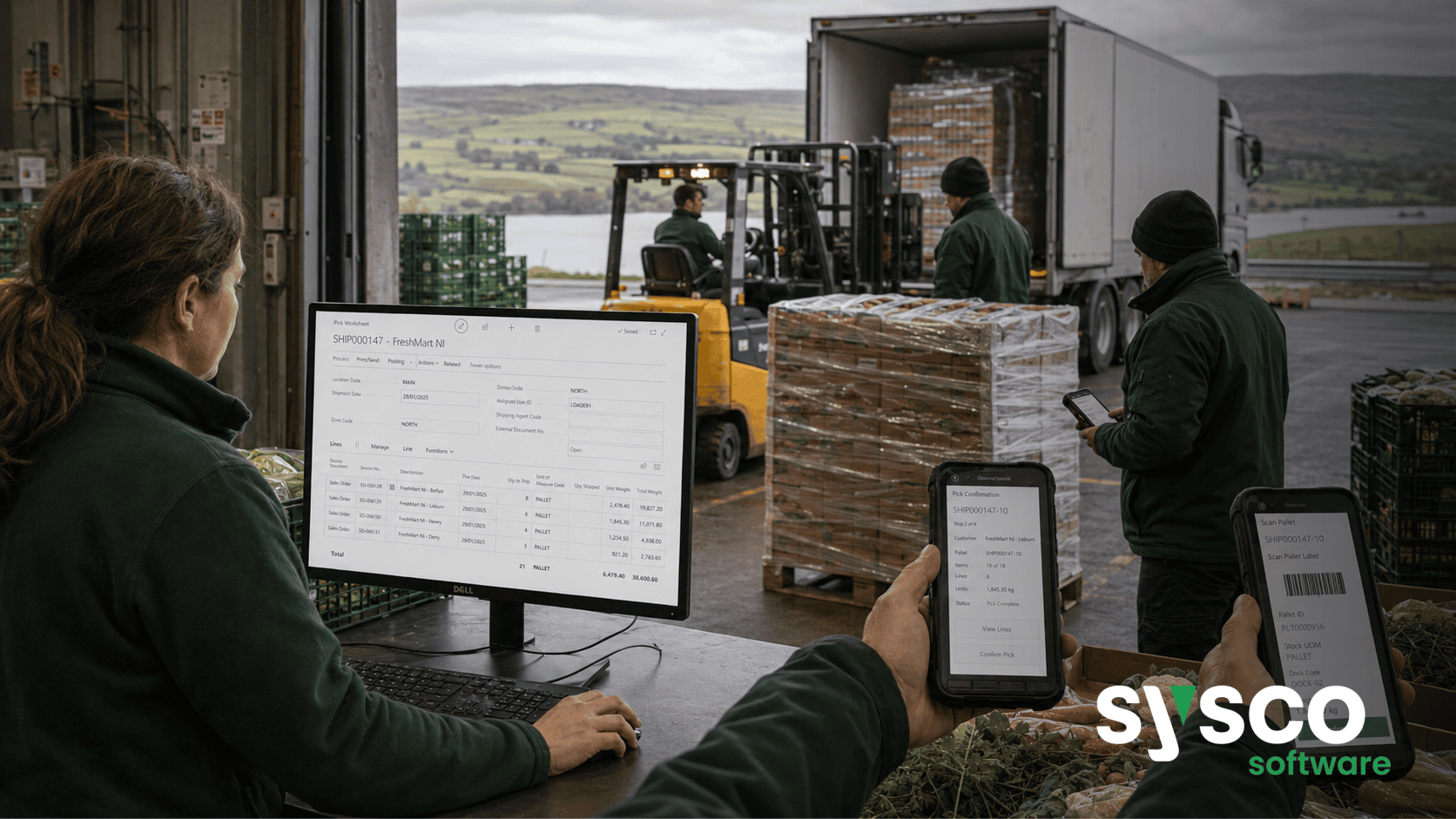
Agri-Food: Connecting Disparate Systems
Many agri-food businesses in the UK and Ireland operate with a frustrating reality: finance teams relying on spreadsheets disconnected from production schedules, sales departments unaware of impending stock shortages, and customer service representatives lacking visibility into order status – ultimately hindering efficiency and profitability.
2. Common Silos in Finance, Production, Sales & Supply Chain
The agri-food sector is inherently complex, involving numerous processes and stakeholders from farm to fork. This complexity often results in departmental silos, where each function operates independently with its own systems and data.
Finance teams may rely on spreadsheets for budgeting and reporting, while production uses separate software for scheduling and tracking output. Sales departments might utilize CRM systems disconnected from the ERP, leading to a lack of real-time information about inventory availability or order fulfillment status.
Supply chain management often exists as a patchwork of manual processes and disparate tools, making it difficult to optimize logistics and respond effectively to disruptions.
Consider the challenges faced by a bakery manufacturer: ingredient procurement might be tracked in one system, production schedules managed separately, dispatch routes planned manually, and customer orders processed through an outdated CRM. This fragmentation leads to errors, delays, and inefficiencies across the entire operation. Similarly, fresh produce suppliers often struggle with traceability, relying on paper-based records that are difficult to maintain and prone to loss.
3. How Disparate Systems Impact Profitability and Compliance
The consequences of these disconnected systems extend beyond operational inefficiencies. Siloed data hinders accurate forecasting, leading to overstocking or stockouts – both impacting profitability.
Limited visibility into production costs makes it difficult to optimize pricing strategies and maintain margins in a competitive market. Furthermore, compliance with increasingly stringent food safety regulations becomes significantly more challenging when traceability information is scattered across multiple systems.
For example, imagine a meat processor facing an unexpected product recall. Without a unified system tracking batches from livestock arrival through processing and distribution, tracing the affected products and notifying customers can be a time-consuming and costly ordeal. The inability to quickly identify the source of contamination can also damage brand reputation and erode consumer trust.
Beyond traceability, disconnected systems impact financial reporting accuracy, making it difficult to gain a clear picture of overall business performance. Manual data entry increases the risk of errors, while reconciling information across different platforms is often tedious and time-consuming.
4. Food 365: A Unified Platform for the UK and Irish Food Sector
Food 365 addresses these challenges by providing a secure and scalable ERP and CRM platform built on Microsoft Dynamics 365 Business Central, specifically tailored to meet the unique needs of agri-food businesses in the UK and Ireland. It’s designed to break down silos, connect data streams, and provide a single source of truth for all key business functions.
Unlike generic ERP solutions that require extensive customization, Food 365 offers pre-built functionality specifically for the agri-food sector, including producer payments, catch weights, batch control, traceability, and integrated EDI. This reduces implementation time and costs while ensuring the platform aligns with industry best practices.
5. Key Features of Food 365 for Connected Operations
Food 365 offers a range of features designed to streamline operations and improve visibility across all departments:
- Integrated Finance & Accounting: Real-time financial reporting, automated invoicing, and streamlined reconciliation processes.
- Production Management: Detailed production scheduling, recipe management, yield tracking, and quality control workflows.
- Sales & CRM: Customer order management, sales forecasting, marketing campaign tracking, and integrated customer service tools.
- Supply Chain Management: Inventory tracking, supplier relationship management, logistics optimization, and demand planning.
- Traceability & Compliance: End-to-end traceability from raw materials to finished products, supporting compliance with food safety regulations.
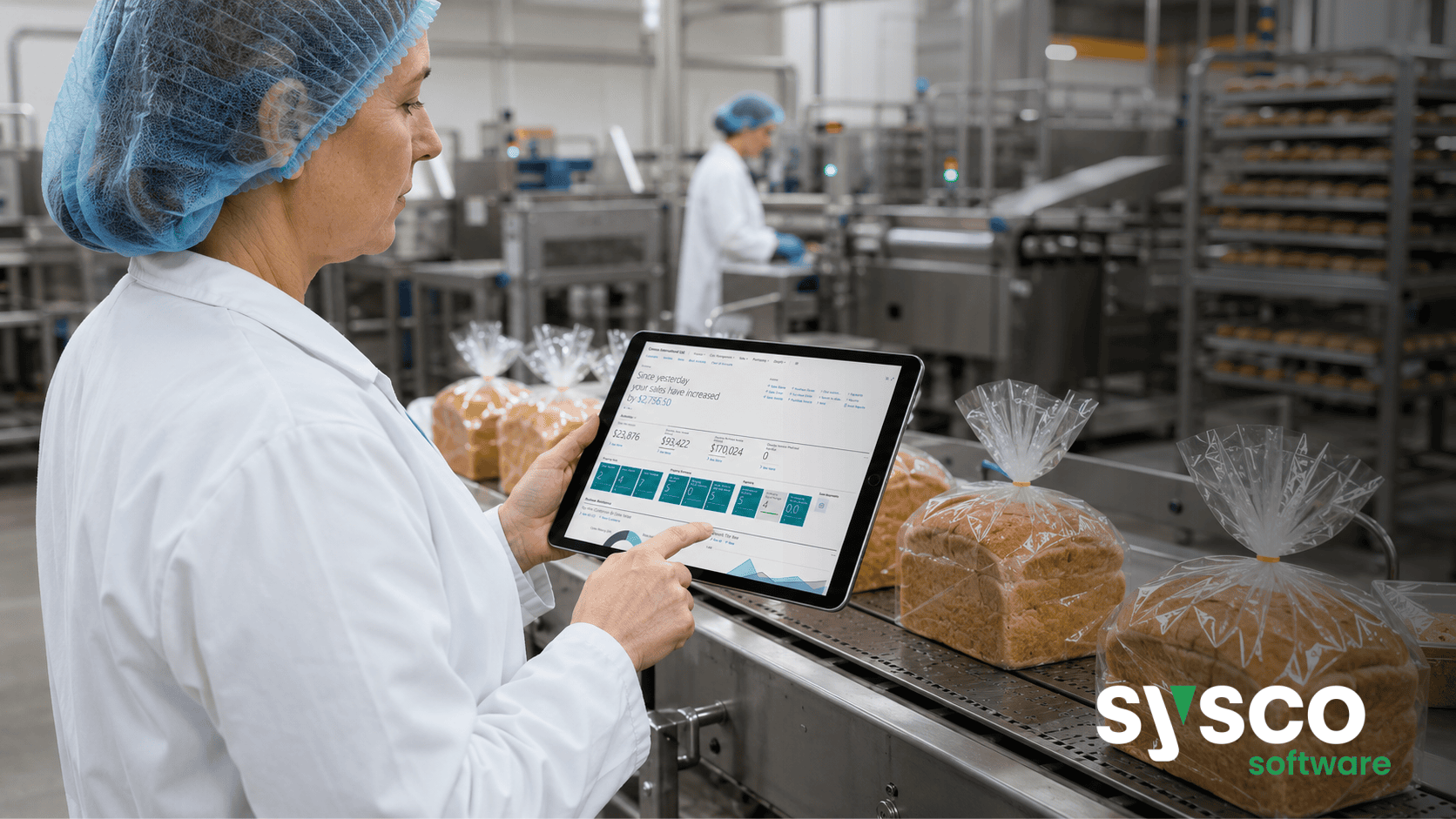
- Role-Tailored Dashboards: Customizable dashboards providing real-time insights for different user roles – production managers, finance controllers, sales directors, and more.
6. Real-World Benefits: Improved Visibility, Efficiency & Decision Making
The benefits of implementing Food 365 extend far beyond simply connecting systems. Businesses experience improved operational efficiency, reduced costs, enhanced decision-making capabilities, and strengthened compliance posture.
For example, a dairy processor using Food 365 can gain real-time visibility into milk production volumes, inventory levels, and customer demand – enabling them to optimize pricing strategies and minimize waste. A fresh produce supplier can leverage the platform’s traceability features to quickly identify and isolate affected products in case of a recall, protecting their brand reputation and minimizing financial losses.
Furthermore, Food 365 empowers businesses to make data-driven decisions based on accurate and timely information. Role-tailored dashboards provide key performance indicators (KPIs) that highlight areas for improvement and track progress towards business goals.
7. Getting Started with Food 365 – Your Path to Integrated Agri-Food Systems
Moving from fragmented systems to a connected platform like Food 365 can seem daunting, but the rewards are significant. Sysco Software offers a consultative approach to implementation, working closely with clients to understand their unique needs and tailor the solution accordingly.
To learn more about how Food 365 can transform your agri-food business, request a personalized walkthrough and discover how integrated systems can drive efficiency, profitability, and compliance within your organization.