
ERP Projects: Requirements Before Software
It’s commonly believed that selecting an ERP system is the primary driver of a successful implementation; however, this prioritisation often leads to costly rework and missed objectives. The reality is that clearly defined requirements must precede software selection – otherwise, you risk choosing a solution that doesn’t truly address your business needs or fits poorly with existing processes.
Many organisations get caught up in the excitement of new technology and jump straight into vendor demonstrations before fully understanding their own challenges. This can result in selecting a system packed with features they don’t need, while overlooking critical functionality that’s essential for success. A structured approach to requirements gathering is therefore paramount.
Why Requirements Come First in ERP Projects
The Importance of Foundational Clarity
ERP implementations are complex undertakings, impacting multiple departments and processes across an organisation. Without a solid foundation of clearly defined requirements, the entire project risks being built on shifting sands. This lack of clarity can manifest as scope creep, budget overruns, and ultimately, user dissatisfaction.
Avoiding Implementation Pitfalls
Prioritising software selection without first understanding your needs significantly increases the likelihood of implementing a system that doesn’t align with your business goals. This misalignment often results in workarounds, customisations, and ultimately, an ERP system that fails to deliver its intended value.
The Pitfalls of Software-First Selection
Vendor Influence & Feature Bloat
When software selection drives the process, organisations are easily swayed by vendor demonstrations and promises. This can lead to choosing a solution with excessive features – many of which will likely remain unused – while overlooking critical functionality that’s essential for your specific business needs.
Ignoring Process Gaps & Customisation Costs
Selecting software first often means ignoring the underlying process gaps that need to be addressed. This frequently leads to costly customisations and workarounds, negating many of the benefits of implementing a new ERP system. A thorough assessment of your current processes should always precede any technology selection.
Defining Your ‘Must-Haves’ vs. ‘Nice-to-Haves’
Prioritising Essential Functionality
It’s crucial to differentiate between ‘must-have’ and ‘nice-to-have’ requirements. Must-haves are the core functionalities essential for your business operations, while nice-to-haves are desirable but not critical features. This prioritisation helps focus selection efforts on systems that genuinely address your most pressing needs.
Documenting Requirements with Specificity
Vague statements like “improve efficiency” aren’t sufficient; requirements should be documented with specificity and measurable outcomes. For example, instead of “improve inventory accuracy,” define it as “reduce stock discrepancies to below 1% within six months.” This level of detail ensures everyone is on the same page.
Structuring Stakeholder Alignment for Clear Requirements
Identifying Key Stakeholders
Successful ERP implementations require buy-in from all key stakeholders across different departments. Identifying these individuals early on and involving them in the requirements gathering process is crucial for ensuring a holistic view of your business needs.
Facilitating Collaborative Workshops
Holding collaborative workshops with representatives from each department helps foster communication, identify conflicting priorities, and build consensus around project goals. These sessions provide a platform for stakeholders to voice their concerns and contribute to the development of clear requirements.
Using Discovery Workshops to Uncover Hidden Needs
Beyond Surface-Level Discussions
Discovery workshops shouldn’t be limited to surface-level discussions about desired features. They should delve into underlying processes, pain points, and opportunities for improvement that might not be immediately apparent.
Employing Process Mapping Techniques
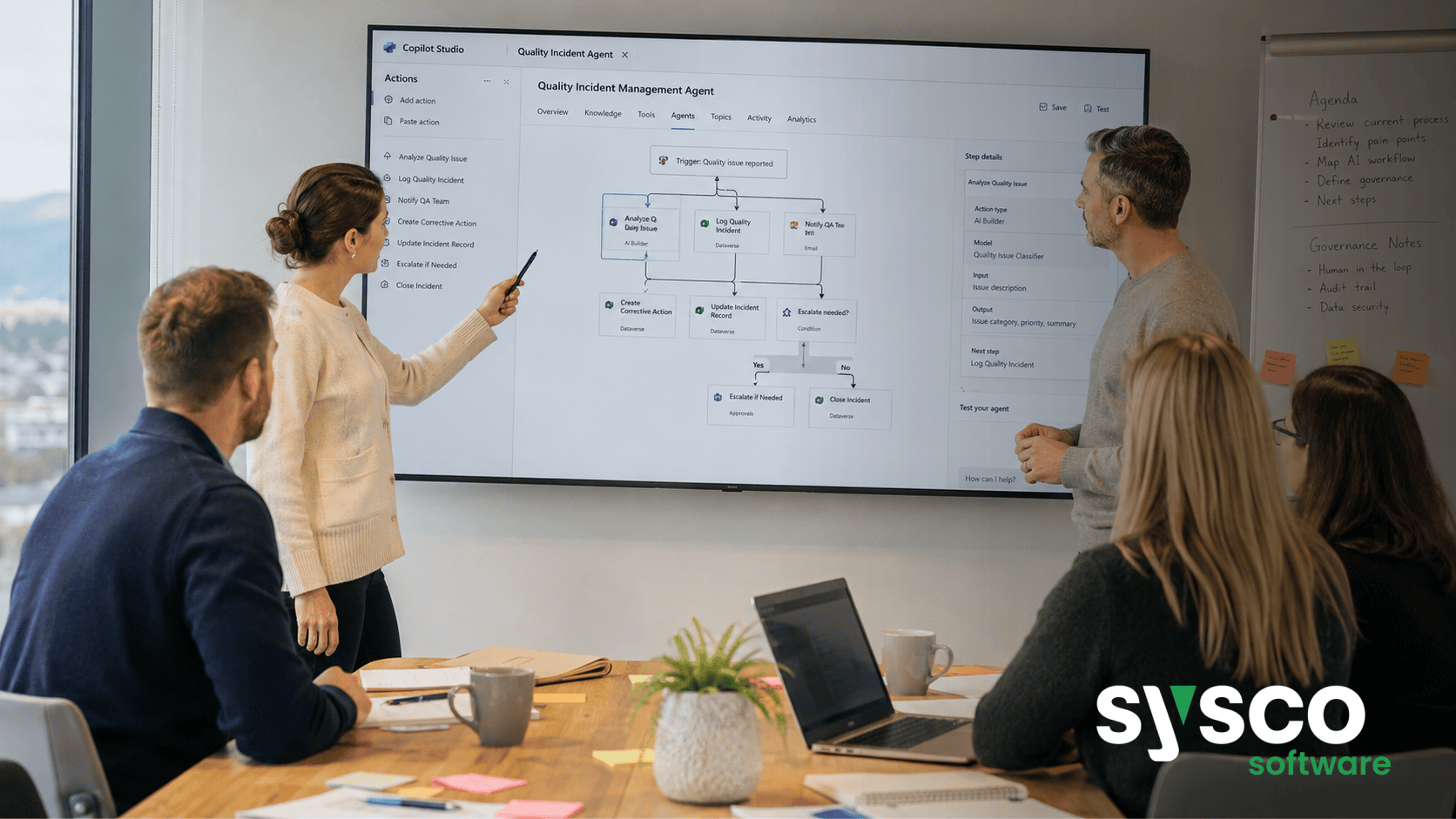
Utilising process mapping techniques during discovery workshops helps visualise workflows, identify bottlenecks, and uncover hidden dependencies. This provides a deeper understanding of how different departments interact and what’s truly needed to streamline operations.
Connecting Business Processes to ERP Functionality
Mapping Requirements to System Capabilities
Once requirements are defined, it’s essential to map them to specific ERP functionalities. This ensures that the chosen system can actually support your business needs and avoids assumptions about what a particular software solution can deliver.
Considering Integration Needs & Data Migration
ERP implementations rarely exist in isolation; they often need to integrate with other systems and involve migrating data from legacy platforms. Careful consideration of these integration requirements is crucial for ensuring a smooth transition and avoiding data loss or corruption.
Next Steps: Partner Selection After Requirements Definition
Evaluating Partners Based on Fit
With clearly defined requirements in place, you can now evaluate potential implementation partners based on their ability to deliver against those specific needs. Focus on experience with your industry, the complexity of your project, and their understanding of your business processes.
Avoiding Premature Partner Engagement
Engaging an implementation partner too early in the process can lead to vendor-driven solutions that don’t align with your true requirements. Wait until you have a clear picture of what you need before involving partners in the selection process.
To ensure your ERP project sets you up for success, begin by defining your specific needs and priorities. Sysco Software offers ERP Discovery and Requirements services to help organisations like yours establish a solid foundation for their projects.Learn more about our approach here.






