
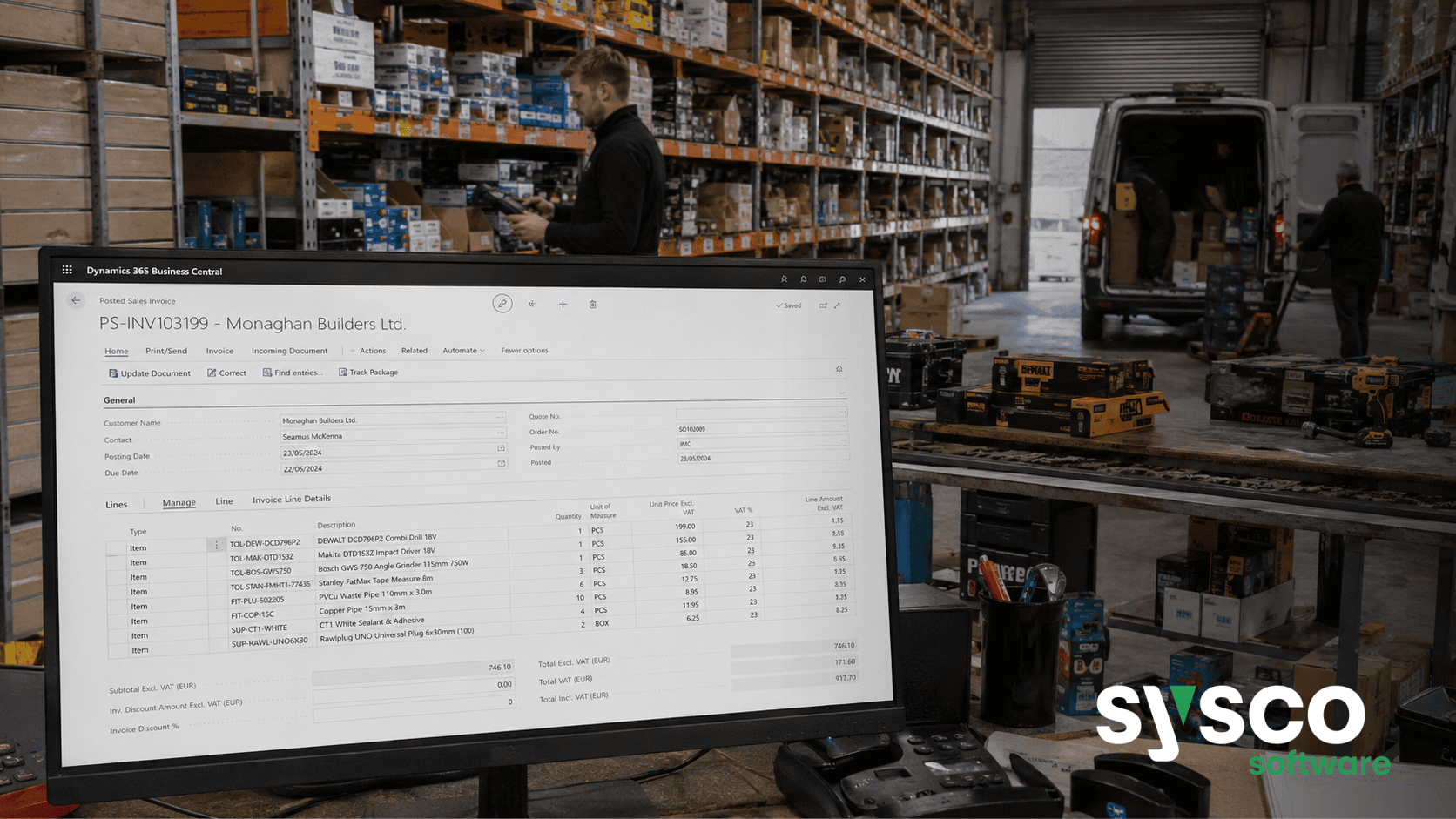
ERP Replacement: Wholesale Distributors’ Path to Control
The sheer volume of paperwork required for accurate stock traceability is overwhelming many wholesale distribution businesses; it consumes valuable administrative time, introduces errors, and creates bottlenecks in the order fulfilment process.
1. The Cost of Disconnected Systems in Wholesale Distribution
Manual Processes and Redundant Data Entry
For many years, wholesale distributors have relied on a patchwork of spreadsheets, legacy systems, and manual processes to manage their operations. While these solutions might have served adequately in the past, they often lead to significant inefficiencies and increased costs. The need for constant data re-entry across different platforms introduces errors, slows down processing times, and ultimately impacts profitability.
Lack of Real-Time Visibility
Disconnected systems create a lack of real-time visibility into critical business areas such as inventory levels, order status, and customer credit. This absence of transparency makes it difficult to make informed decisions, respond quickly to changing market conditions, or proactively address potential issues.
Increased Operational Costs
The cumulative effect of manual processes, redundant data entry, and lack of real-time visibility translates into increased operational costs. These include higher labour expenses, wasted materials due to inaccurate stock levels, and lost sales opportunities resulting from delayed order fulfilment.
2. Identifying the Right Time for ERP Replacement
Signs It’s Time for an Upgrade
Recognising when it’s time for an ERP replacement can be challenging. Common indicators include consistently exceeding budget targets due to operational inefficiencies, frequent errors in order processing or invoicing, difficulty generating accurate reports, and a growing reliance on manual workarounds.
Assessing the ROI of Replacement
Before embarking on an ERP replacement project, it’s crucial to assess the potential return on investment. This involves carefully evaluating the costs associated with implementation, training, and ongoing maintenance against the anticipated benefits, such as reduced operational expenses, improved efficiency, and increased sales.
3. Defining Your Wholesale Distribution Requirements
Documenting Current Processes
A thorough understanding of your current processes is essential for defining your ERP requirements. This involves documenting every step involved in key operations, from order entry to delivery, including the systems and personnel involved.
Identifying Key Functionality Needs
Based on your documented processes, identify the specific functionality you need from an ERP system. This might include sales order management, inventory control, warehouse management, procurement, finance, reporting, EDI integration, and quality control capabilities.
4. Evaluating ERP Solutions: Beyond the Features List
Vendor Demonstrations and References
Once you have a clear understanding of your requirements, begin evaluating different ERP solutions. Request demonstrations from multiple vendors and ask for references from other wholesale distributors who have implemented their systems.
Assessing Integration Capabilities
Integration with existing systems is crucial for ensuring data consistency and minimizing disruption during implementation. Evaluate the ERP solution’s ability to integrate with your current accounting software, e-commerce platforms, and EDI trading partners.
Considering Scalability and Flexibility
Choose an ERP system that can scale with your business as it grows and adapt to changing market conditions. Look for solutions that offer flexible configuration options and the ability to accommodate new functionality in the future.
5. Planning a Smooth Transition and Minimising Disruption
Phased Implementation Approach
A phased implementation approach can help minimise disruption during ERP replacement. Start with core modules, such as sales order management and inventory control, and gradually roll out additional functionality over time.
Data Migration Strategy
Develop a comprehensive data migration strategy to ensure accurate transfer of data from your legacy systems to the new ERP system. This involves cleansing and validating data before importing it into the new platform.
User Training and Support
Provide thorough training for all users on the new ERP system. Offer ongoing support to address any questions or issues that arise during the transition period.
6. Essential Apps for Wholesale Success with Business Central
Sysco Essential Apps Overview
Sysco Software’s Essential Apps extend the core functionality of Microsoft Dynamics 365 Business Central, filling common gaps in wholesale distribution processes. These apps provide practical solutions for EDI management, credit control, rebates processing, quality control, and more.
EDI App: Streamlining Data Exchange
The Sysco EDI App facilitates seamless data exchange with suppliers and customers, automating order processing and invoicing workflows. This reduces manual effort, improves accuracy, and accelerates the overall trading cycle.
Credit Control App: Managing Customer Exposure
The Credit Control App provides tools for managing customer credit limits, monitoring payment status, and automating debt collection processes. This helps minimise bad debts and improve cash flow.
LTA & Rebates App: Optimising Commercial Agreements
The LTA & Rebates App simplifies the management of pricing agreements, rebates, and promotional offers. This ensures accurate calculations, consistent application of terms, and improved margin control.
7. Measuring ROI and Maximizing Value After Implementation
Key Performance Indicators (KPIs)
Define key performance indicators (KPIs) to track the success of your ERP implementation. These might include order fulfilment rates, inventory accuracy, customer satisfaction scores, and operational cost savings.
Continuous Improvement
ERP implementation is not a one-time event but an ongoing process of continuous improvement. Regularly review your processes, identify areas for optimisation, and leverage the full potential of your ERP system to drive greater efficiency and profitability.
If you’re ready to move beyond disconnected systems and unlock the true potential of your wholesale distribution business, book a walkthrough today and discover how Sysco Software’s Wholesale Distribution ERP can transform your operations.






