
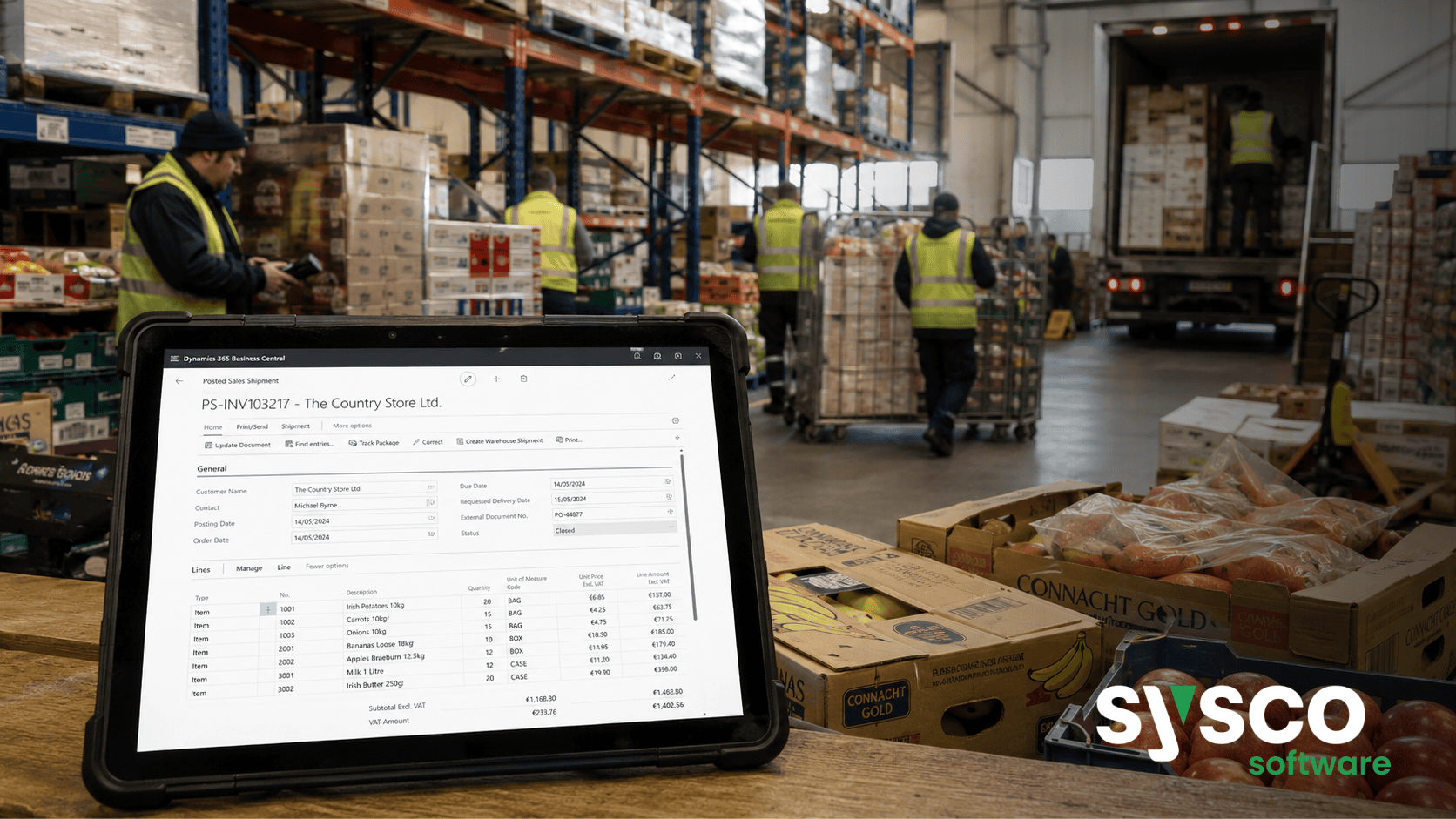
Wholesale ERP: A Step-by-Step Buyer’s Guide
Are you struggling to connect sales, warehouse operations and finance in your wholesale distribution business?
Many wholesale distributors find themselves grappling with this challenge; it’s rarely a case of simply deploying software but rather re-engineering processes around a single source of truth. This guide provides a step-by-step roadmap for navigating the ERP selection and implementation process, ensuring you choose the right solution to streamline your operations and drive growth.
Understanding Your Wholesale Distribution Needs
Defining Core Business Processes
Before even considering software, meticulously document your current processes. This isn’t just about listing tasks; it’s about understanding workflows – how sales orders are created, how inventory is managed, how deliveries are scheduled, and how finances are handled. Identify bottlenecks, redundancies, and areas where manual intervention creates errors or delays.
Identifying Pain Points
What keeps you up at night? Is it inaccurate stock levels leading to lost sales or excess inventory?
Are order processing times too long, frustrating customers? Do you struggle with visibility into your supply chain?
A clear understanding of these pain points will be the foundation for defining your ERP requirements.
Considering Future Growth
Don’t just focus on current needs. Think about where your business is headed.
Will you be expanding to new locations or product lines? Do you anticipate increased order volumes or more complex customer relationships?
Your ERP system should be scalable and adaptable enough to support future growth.
Defining Your ERP Requirements: A Detailed Checklist
Functional Requirements
Create a detailed list of the functions your ERP must perform. This includes sales order processing, inventory management (including pallet control), procurement, warehouse operations (barcoding, mobile proof of delivery), logistics, finance (credit control, VAT, Intrastat), reporting and EDI integration.
Technical Requirements
Consider technical aspects such as deployment options (cloud vs. on-premise), integrations with existing systems (e-commerce platforms, shipping carriers), security requirements, and user access controls. Think about the IT skills you have in-house or will need to hire.
Data Migration
Don’t underestimate the complexity of data migration. You’ll need a plan for extracting data from your existing systems, cleansing it, transforming it, and importing it into the new ERP system. This is often a critical success factor.
Evaluating Potential ERP Solutions: Key Questions to Ask
Vendor Reputation and Experience
Research potential vendors thoroughly. Check their track record in the wholesale distribution industry.
Read customer reviews and case studies. Ask for references and speak directly with existing customers.
Solution Fit
Does the solution genuinely meet your defined requirements? Don’t be swayed by flashy demos or promises that seem too good to be true. Focus on how the system will address your specific pain points and support your business processes.
Total Cost of Ownership (TCO)
Consider all costs associated with the ERP implementation, including software licenses, hardware infrastructure, implementation services, training, ongoing maintenance, and support. Don’t just focus on the initial purchase price.
Demo Questions to Ask
During demos, ask specific questions related to your unique business processes. For example: “Can this system handle complex pricing structures with customer-specific discounts?” or “How does the system manage quality control checks for perishable goods?”.
The Importance of Vendor Selection and Support
Beyond the Software
Choosing an ERP vendor is about more than just selecting software; it’s about establishing a long-term partnership. Assess their commitment to customer success, their support capabilities, and their ability to provide ongoing training and updates.
Implementation Methodology
Understand the vendor’s implementation methodology. Do they offer a structured approach with clear milestones and deliverables? A well-defined implementation plan is essential for minimizing disruption and ensuring a successful rollout.
Support Levels
What levels of support are included, and what are the response times? Ensure that you have access to timely and reliable support when you need it most. Consider whether ongoing training and knowledge transfer are available.
Post-Implementation: Optimizing Your Wholesale ERP System
User Training & Adoption
Thorough user training is critical for maximizing the value of your ERP investment. Provide comprehensive training sessions, create user manuals, and offer ongoing support to ensure that users adopt the new system effectively.
Data Validation & Reporting
Continuously monitor data accuracy and validate reports regularly. Identify any discrepancies or inconsistencies and take corrective action promptly. Regular reporting provides valuable insights into business performance.
System Optimization
ERP implementation isn’t a one-time event; it’s an ongoing process of optimization. Regularly review your processes, identify areas for improvement, and work with the vendor to fine-tune the system to meet evolving needs.
Choosing and implementing an ERP system is a significant investment, but with careful planning and execution, you can unlock substantial benefits for your wholesale distribution business. To learn more about how Sysco Software’s Wholesale Distribution ERP built on Microsoft Dynamics 365 Business Central can streamline your operations, book a walkthrough today and discover the tailored value we offer.






