
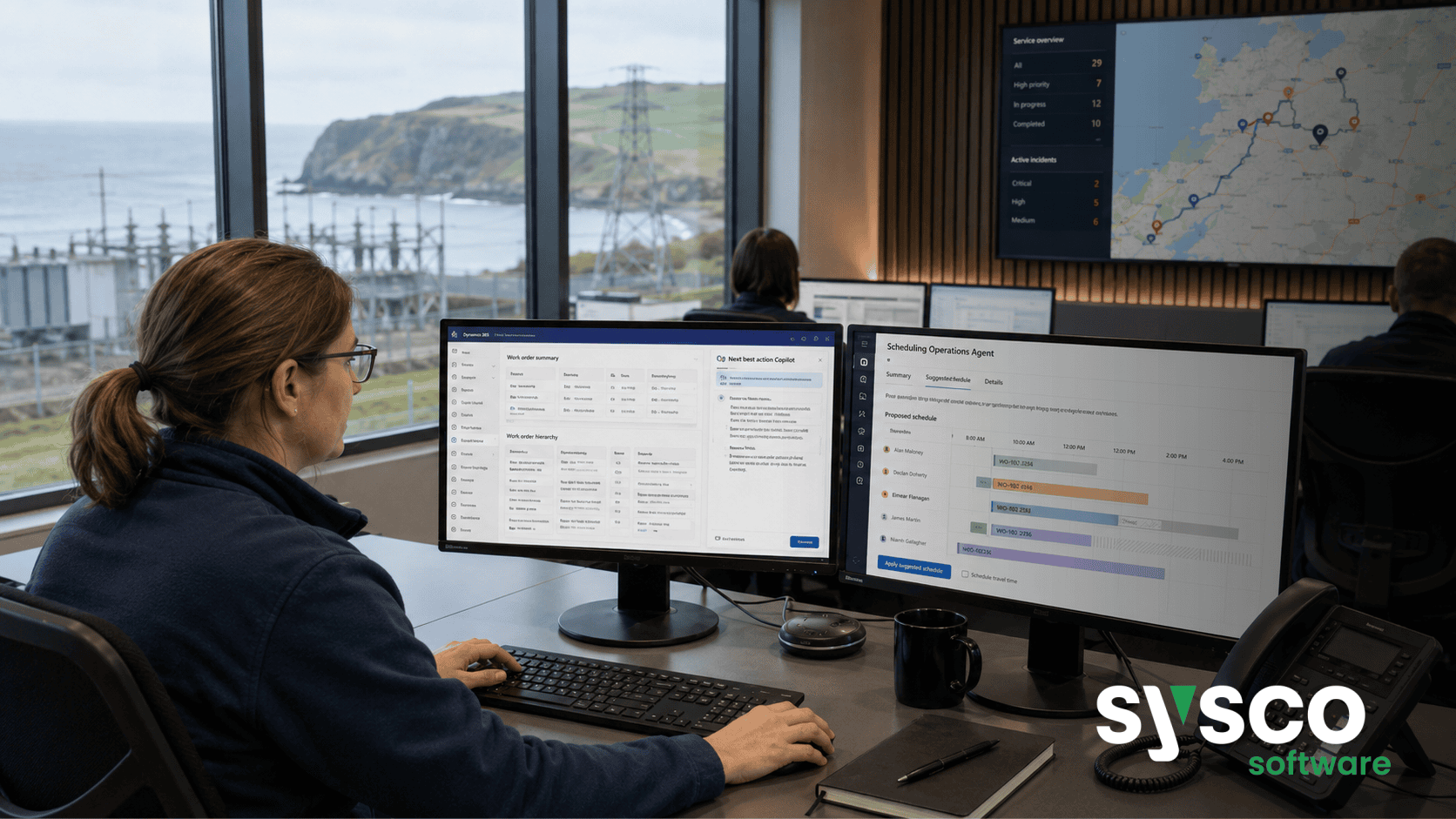
AI Demands More From Your ERP System
The increasing sophistication of artificial intelligence necessitates a fundamental re-evaluation of how organisations leverage their enterprise resource planning (ERP) systems, moving beyond basic automation to embrace intelligent workflows and agentic capabilities.
Why Your Existing ERP Might Not Be Ready for AI
Many businesses currently operating with older ERP solutions find themselves facing significant limitations when attempting to integrate artificial intelligence. While some legacy systems might offer rudimentary reporting or analytics, they often lack the underlying data architecture and integration capabilities required to truly harness the power of AI. The core problem isn’t simply a matter of adding AI features; it’s about whether the existing system can effectively process, manage, and deliver the high-quality data that fuels intelligent decision-making.
Data silos are a common culprit. Information residing in disparate modules or even separate systems makes it difficult to create a unified view for AI algorithms to analyse. Furthermore, many older ERPs were designed with batch processing in mind, not the real-time responsiveness demanded by modern AI applications. This can lead to delays and inaccuracies that undermine the value of any AI implementation.
Consider, for example, a manufacturing business attempting to use AI to optimise its supply chain. If inventory data is stored separately from sales forecasts and production schedules, the AI model will struggle to provide accurate predictions or identify potential disruptions. The system simply doesn’t have a complete picture of the operational landscape.
Beyond technical limitations, governance and security concerns also play a crucial role. Implementing AI responsibly requires robust data management practices, including clear ownership, access controls, and audit trails – features that might be lacking in older ERP systems. Failing to address these foundational issues can expose organisations to significant risks.
The Core Capabilities of Dynamics 365 for the AI Era
Microsoft Dynamics 365 offers a significantly more robust platform for leveraging artificial intelligence, built from the ground up with modern data management and integration capabilities. The suite’s modular design allows businesses to select only the components they need—Business Central for smaller organisations, Finance and Supply Chain Management for larger enterprises—and seamlessly integrate them with other Microsoft services.
Dynamics 365’s inherent strengths include
- Unified Data ModelDynamics 365 provides a central repository for all business data, eliminating silos and ensuring consistency.
- Real-Time AnalyticsThe platform supports real-time data processing, enabling AI models to learn from the most current information.
- Power Platform IntegrationSeamless integration with Power BI allows for visualisations and interactive dashboards that make AI insights accessible to all users.
- Microsoft Copilot IntegrationDynamics 365 is deeply integrated with Microsoft Copilot, providing natural language access to data and functionality across the entire suite. This enables users to perform tasks, generate reports, and gain insights simply by asking questions in plain English.
The ability to leverage Power Platform further extends Dynamics 365’s capabilities. Low-code development tools allow businesses to build custom AI-powered applications without extensive coding expertise, accelerating innovation and addressing specific business needs.
Beyond Basic Integration: Agentic Workflows in Dynamics 365
The true potential of AI within ERP lies not just in reporting or simple automation but in the creation of agentic workflows – intelligent processes that can respond to changing conditions and proactively take action. Dynamics 365, combined with Microsoft Copilot Studio, provides a framework for building these advanced capabilities.
Agentic workflows go beyond traditional robotic process automation (RPA) by incorporating decision-making logic and learning from past experiences. For example, in the field service sector, an agent could automatically reschedule appointments based on real-time traffic conditions or technician availability, minimising disruption for customers and optimising resource utilisation.
Consider a scenario within Dynamics 365 Finance: An AI agent could monitor incoming invoices, flag discrepancies, and automatically request clarification from suppliers – reducing manual effort and improving payment accuracy. This level of automation requires more than just data integration; it demands an ERP system capable of supporting complex business logic and adaptive decision-making.
The ability to build these agentic workflows is key for organisations looking to unlock the full potential of AI within their ERP systems, moving beyond reactive processes to proactive optimisation and improved outcomes. This requires a platform that provides both the data infrastructure and the development tools necessary to create and deploy intelligent agents.
Comparing Alternatives: Dynamics 365 vs. SAP Business One & Sage 200
While several ERP solutions claim to offer AI capabilities, their underlying architectures and integration potential vary significantly. Comparing Dynamics 365 with alternatives like SAP Business One and Sage 200 highlights these differences.
SAP Business One, while suitable for smaller businesses, often lacks the scalability and flexibility required to support advanced AI implementations. Its tightly coupled architecture can make it difficult to integrate with other systems or leverage cloud-based AI services. Similarly, Sage 200, traditionally a popular choice in the UK market, may struggle to provide the real-time data processing and integration capabilities needed for agentic workflows.
Dynamics 365’s modular design allows for greater customisation and scalability, making it better suited to organisations with complex needs and ambitious AI goals. The platform’s native integration with Microsoft Copilot and Power Platform further enhances its value proposition, providing a comprehensive ecosystem for building intelligent business solutions.
Ultimately, the choice of ERP system should be driven by an organisation’s long-term strategic objectives and its commitment to leveraging technology to drive innovation. For businesses seeking to embrace the full potential of AI, Dynamics 365 offers a compelling combination of capabilities and flexibility.
Planning Your Transition to an AI-Ready ERP with Sysco Software
Migrating to an AI-ready ERP system is not simply a technology project; it’s a business transformation. A successful transition requires careful planning, stakeholder alignment, and a partner with expertise in both Dynamics 365 and artificial intelligence.
Sysco Software specialises in providing Microsoft Dynamics 365 implementation, support, optimisation, project recovery and partner-transition services for organisations facing these challenges. Our team of experienced consultants can help businesses
- Assess ReadinessEvaluate current ERP systems and identify gaps in data architecture and integration capabilities.
- Develop a RoadmapCreate a phased implementation plan that aligns with business objectives and minimises disruption.
- Data Migration & CleansingEnsure data accuracy and consistency during the migration process.
- AI Implementation & TrainingHelp businesses build and deploy AI-powered workflows, providing training and support to ensure user adoption.
We understand that every organisation is unique, which is why we tailor our services to meet specific needs and budget constraints. Our focus is on delivering tangible business value through optimised processes and intelligent automation.
If you’re considering a move to an AI-ready ERP system or need assistance optimising your existing Dynamics 365 environment,contact Sysco Software todayto discuss your requirements and explore how we can help you unlock the full potential of artificial intelligence.






