
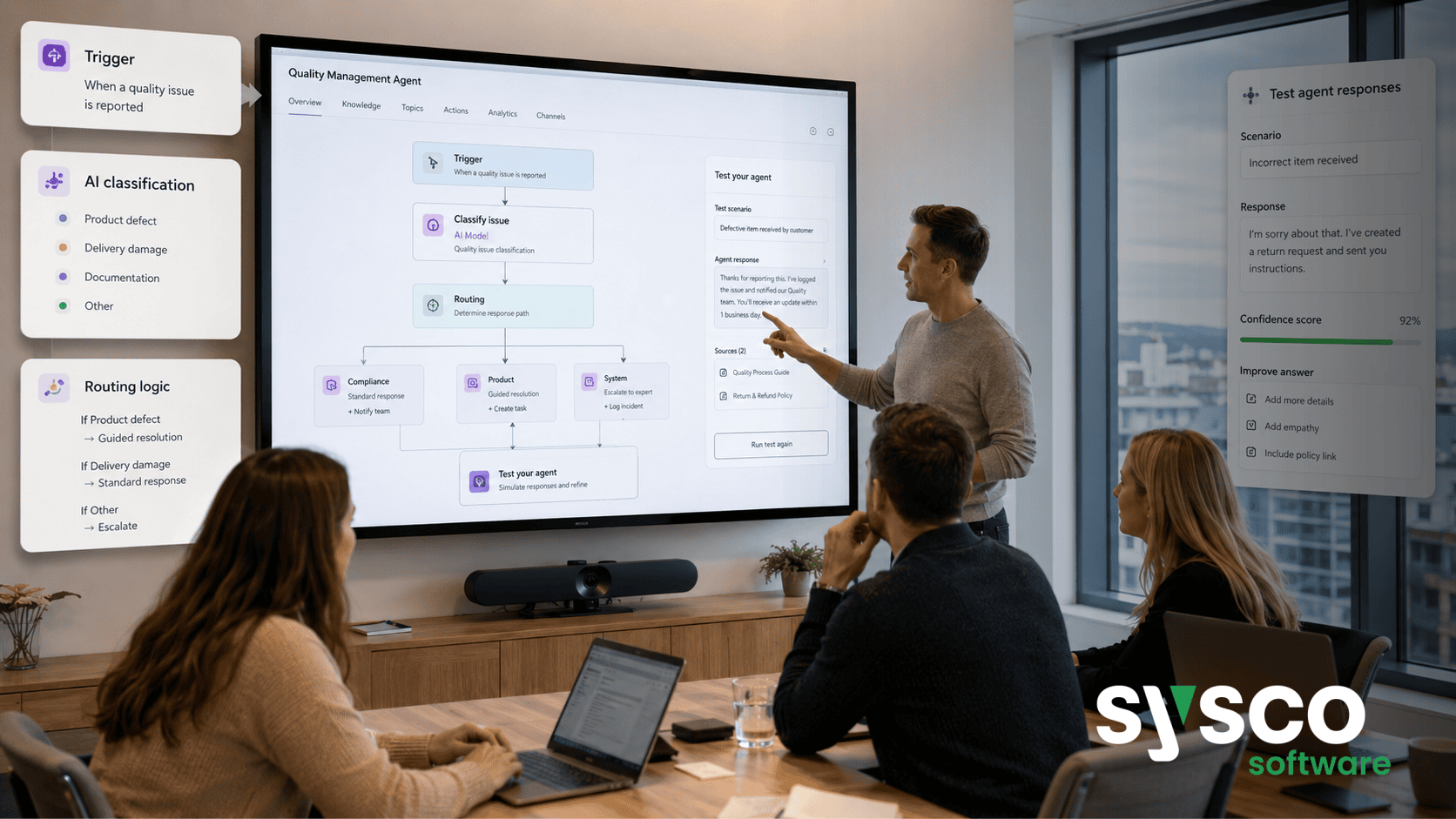
Dynamics 365 AI: Navigating Regulatory Compliance
The escalating complexity of supply chain legislation, exemplified by the UK’s Environment Act and its emphasis on environmental impact reporting, is placing considerable pressure on organisations to demonstrate transparency and accountability throughout their operations. This external regulatory pressure necessitates a proactive approach to compliance, moving beyond reactive measures and embracing technology that streamlines processes and provides auditable records – particularly within systems like Microsoft Dynamics 365.
The increasing scrutiny surrounding sustainability, ethical sourcing, and data privacy means businesses must not only adhere to current regulations but also anticipate future changes and adapt their practices accordingly. Failure to do so can result in significant financial penalties, reputational damage, and legal challenges.
Beyond Manual Workarounds: The Limits of Traditional Compliance
Many organisations currently rely on manual processes and spreadsheets to manage compliance requirements within Dynamics 365. While these workarounds may seem adequate for immediate needs, they are inherently prone to errors, difficult to scale, and offer limited visibility into potential risks.
This approach often leads to inconsistencies in data – a single misplaced decimal point or incorrect entry can have significant repercussions on reporting – increased operational costs associated with manual effort, and a heightened risk of non-compliance penalties levied by regulatory bodies.
The reliance on manual processes also makes it challenging to maintain accurate records for audits; compiling the necessary documentation from disparate spreadsheets and paper files is time-consuming and increases the likelihood of overlooking critical information. Furthermore, these methods frequently lack integration with other critical systems, creating silos of information that hinder comprehensive reporting and analysis – a fragmented view of operations can obscure potential compliance issues.
How Agentic AI Streamlines Dynamics 365 Compliance Efforts
Agentic AI offers a transformative solution by automating repetitive tasks, improving data accuracy, and enhancing visibility across Dynamics 365 workflows. Unlike traditional automation, which often involves rigid rule-based processes, agentic AI leverages prebuilt Microsoft agents and custom-designed experiences to handle complex compliance processes with greater efficiency and intelligence.
For example, the Accounts Receivable Agent can automate invoice processing, ensuring adherence to payment terms stipulated in contracts and facilitating accurate regulatory reporting requirements concerning financial transactions. Similarly, the Sales Order Agent streamlines order capture from email, reducing manual data entry errors that could lead to non-compliance issues related to product specifications – such as incorrect material composition for regulated industries – or shipping regulations pertaining to hazardous goods.
Microsoft Copilot within Business Central provides natural language support for grouping, calculations, and analysis tabs, empowering users to quickly extract insights relevant to compliance monitoring; this allows finance teams to rapidly assess the impact of regulatory changes on financial performance. The Procurement Agent can automate supplier follow-up and change requests, ensuring adherence to contractual obligations and ethical sourcing guidelines – verifying that suppliers meet environmental or labour standards.
Governed AI: Maintaining Human Oversight and Auditability
Implementing AI within Dynamics 365 requires a strong governance framework to ensure responsible and auditable use. Sysco Software’s approach prioritises maintaining human oversight throughout the entire process, recognising that AI should augment, not replace, human judgement.
This means that while agents automate tasks, key decisions remain in the hands of trained professionals who can exercise judgement and ensure compliance with relevant regulations – for instance, a finance manager reviewing an agent’s proposed adjustments to account reconciliations. Agent activity is meticulously tracked and logged, providing a complete audit trail for regulatory reviews; this detailed record-keeping demonstrates accountability and facilitates investigations if discrepancies arise.
The ability to configure business and target-customer context within Sales Qualification Agents ensures that AI-driven recommendations align with established qualification criteria and ethical guidelines – preventing the sale of products or services to prohibited entities. By connecting agent actions to Dynamics 365 controls, organisations can maintain accountability and prevent unintended consequences; this connection provides a clear line of responsibility for all automated processes.
Microsoft’s Agentic Business Solutions framework provides a trust layer for security, governance and compliance, ensuring agents operate within defined boundaries and adhere to organisational policies – acting as an additional safeguard against unauthorised or inappropriate actions.
Sysco Software’s Approach to Dynamics 365 AI Workflow Discovery & Implementation
At Sysco Software, we understand that successful AI implementation requires more than just technology; it demands a structured approach and deep understanding of business processes. Our Dynamics 365 AI Workflow Discovery engagement begins with identifying suitable workflows across Business Central, Sales, Field Service, Finance and Supply Chain Management – separating valuable opportunities from generic AI ideas; this initial assessment prevents wasted investment in solutions that don’t deliver tangible benefits.
This initial assessment avoids duplicating existing Dynamics 365 capabilities and identifies potential data and governance gaps early on – for example, uncovering inconsistencies in product master data across different modules. Following discovery, our Agent Readiness and Governance Assessment review data quality, permissions, environment controls, agent identities, approvals, monitoring, security, compliance and operational ownership before deployment; this thorough assessment minimises the risk of errors or breaches during implementation.
Our pilot implementation approach ensures a controlled rollout, producing measurable operational evidence – demonstrating the value of AI to stakeholders – and creating reusable patterns for future deployments. We offer role-based training and ongoing optimisation to maximise adoption and ensure continuous improvement of AI-assisted workflows; this support helps users understand and effectively utilise the new capabilities.
This structured method avoids uncontrolled experimentation and prioritises demonstrable business value while upholding regulatory standards, ensuring a sustainable and compliant AI strategy.
To learn more about how Sysco Software can help your organisation navigate regulatory compliance with Dynamics 365 AI, visitSysco Software’s Dynamics 365 services page.






