
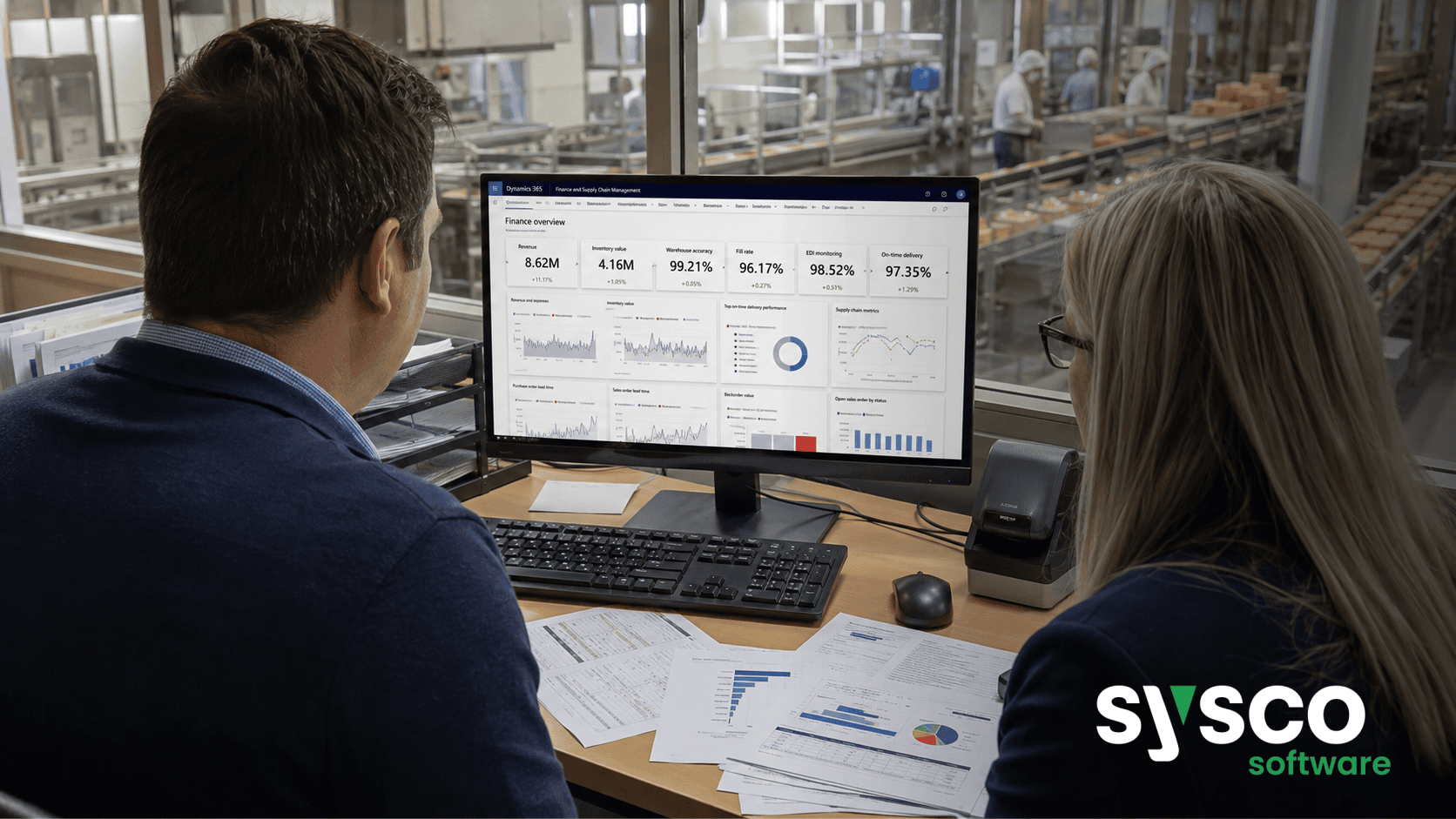
ERP Replacement: AI’s Impact on Finance Systems
Many finance teams still rely on legacy systems, painstakingly extracting data and manually reconciling information across disparate spreadsheets; however, high-performing organisations are already integrating artificial intelligence into their Dynamics 365 Finance environments to automate complex processes and unlock deeper financial insights. The shift isn’t merely about automating repetitive tasks – it’s about fundamentally changing how finance teams operate and make decisions. This article explores the evolving landscape of ERP replacement, specifically focusing on how Microsoft Dynamics 365 Finance can empower organisations ready to embrace an AI-driven future.
The Disconnect: Legacy Finance Systems vs. Modern AI Demands
For years, many businesses have operated with finance systems that were adequate for their time but are now struggling to keep pace with the demands of a modern, data-rich environment. These legacy systems often lack the flexibility and integration capabilities needed to effectively leverage artificial intelligence. The core issue lies in the disconnect between the structured data required by AI algorithms and the fragmented, siloed nature of information within these older platforms. Extracting meaningful insights requires significant manual effort, diverting valuable time and resources away from strategic financial planning and analysis.
The Limitations of Traditional ERP Systems
Traditional ERP systems were designed primarily for transactional processing – recording sales orders, managing inventory, and generating basic financial reports. While they served their purpose initially, the rise of big data, advanced analytics, and now generative AI has exposed their limitations. They often lack robust APIs (Application Programming Interfaces), making it difficult to connect them with other applications or integrate AI-powered tools. Furthermore, many legacy systems are built on outdated technologies, hindering innovation and increasing maintenance costs.
The Rise of Agentic Workflows
Agentic workflows represent a significant advancement in how we approach business processes. Unlike traditional automation, which follows predefined rules, agentic workflows leverage AI to dynamically adapt and respond to changing conditions. In the context of Dynamics 365 Finance, this means that tasks like reconciliation, forecasting, and even invoice processing can be handled with greater accuracy and efficiency, freeing up finance professionals to focus on higher-value activities.
Beyond Automation: Agentic Workflows in Dynamics 365 Finance
Microsoft Dynamics 365 Finance provides a robust foundation for implementing agentic workflows within the financial function. The platform’s open architecture and extensive integration capabilities allow organisations to seamlessly connect AI models with existing processes, automating tasks that were previously considered too complex or time-consuming. This shift moves beyond simple task automation towards intelligent process orchestration.
Intelligent Reconciliation
Reconciliation is a notoriously labour-intensive process in many finance departments. Agentic workflows within Dynamics 365 Finance can automate this task by leveraging AI to match transactions, identify discrepancies, and generate alerts for review. The system learns from past reconciliations, continually improving its accuracy and reducing the need for manual intervention.
Predictive Forecasting
Traditional forecasting methods often rely on historical data and subjective assumptions. Dynamics 365 Finance’s integration with AI allows for predictive forecasting based on a wider range of factors, including market trends, economic indicators, and even social media sentiment. This provides finance teams with more accurate insights into future performance, enabling them to make better-informed decisions.
Data Silos and AI: Why Integration is Critical for Financial Insights
The power of artificial intelligence hinges on the availability of high-quality data. When financial data resides in disparate systems – spreadsheets, legacy databases, or even different departments within an organisation – it becomes difficult to extract meaningful insights. These silos hinder the ability of AI models to learn and make accurate predictions. A fragmented data landscape directly limits the effectiveness of any ERP replacement strategy.
Breaking Down Data Silos
Microsoft Dynamics 365 Finance is designed to be a central hub for financial information, breaking down data silos and providing a single source of truth. Its integration capabilities extend beyond internal systems, allowing organisations to connect with external data sources such as banks, credit agencies, and market research providers. This holistic view of the business allows AI models to gain deeper insights and provide more valuable recommendations.
The Importance of Data Governance
While integrating data is crucial, it’s equally important to establish robust data governance policies. Ensuring data accuracy, consistency, and security are essential for building trust in AI-driven insights. Dynamics 365 Finance provides tools for managing data quality and enforcing compliance with regulatory requirements.
Microsoft Copilot’s Role in Streamlining Financial Processes
Microsoft Copilot is revolutionising how users interact with Dynamics 365 Finance and other Microsoft applications, offering a conversational interface that simplifies complex tasks and accelerates workflows. By leveraging the power of natural language processing (NLP), Copilot allows finance professionals to access information, generate reports, and even automate processes simply by asking questions or providing instructions.
Natural Language Querying
Instead of navigating through menus or writing complex queries, users can ask Copilot questions in plain English, such as “What was our revenue last quarter?” or “Show me the top 10 customers by sales volume.” Copilot instantly retrieves and presents the relevant information, saving time and improving efficiency.
Automated Report Generation
Generating financial reports often involves compiling data from multiple sources and formatting it into a presentable format. With Copilot, users can simply request specific reports, such as “Create a profit and loss statement for the year ending December 31st,” and Copilot will automatically generate the report based on predefined templates or custom specifications.
Planning Your ERP Replacement Journey with Dynamics 365 Finance
Replacing an ERP system is a significant undertaking, requiring careful planning, execution, and ongoing support. Organisations considering moving to Microsoft Dynamics 365 Finance should adopt a phased approach, focusing on building a strong foundation for future success. Sysco Software provides comprehensive implementation, optimisation, and partner transition services to ensure a smooth and successful journey.
Assessing Your Current Landscape
Before embarking on an ERP replacement project, it’s essential to thoroughly assess your current landscape – identifying pain points, defining business requirements, and evaluating potential solutions. This involves engaging stakeholders from across the organisation to gather input and ensure alignment.
Phased Implementation Approach
A phased implementation approach allows organisations to mitigate risk and deliver value incrementally. Starting with a pilot project or focusing on specific modules can help build confidence and demonstrate the benefits of Dynamics 365 Finance.
For businesses seeking an alternative to SAP Business One, Sage 200, or NetSuite, Microsoft Dynamics 365 Finance offers a powerful platform for embracing AI-driven workflows and transforming financial operations. To learn more about how Sysco Software can help you navigate your ERP replacement journey and unlock the full potential of Dynamics 365 Finance, visitSysco Software.






