
Why ‘Dynamics 365’ Isn’t a Single Application
The term ‘Dynamics 365’ often causes confusion, particularly when Irish organisations are initially exploring solutions for finance, operations, sales, and customer service; it isn’t one monolithic application. Instead, it represents a suite of interconnected modules, each addressing specific business functions, which can be combined to create a tailored solution – much like assembling a Lego set from various components.
The Evolution of CRM and ERP Terminology in Ireland
From Separate Systems to Integrated Platforms
Historically, Customer Relationship Management (CRM) systems focused primarily on sales and marketing activities, while Enterprise Resource Planning (ERP) systems managed core business processes like finance, manufacturing, and supply chain. Irish businesses often maintained these as distinct systems, leading to data silos, duplicated effort, and a fragmented view of the customer journey.
The Convergence with Dynamics 365
Microsoft Dynamics 365 represents a shift away from this traditional separation. It combines CRM and ERP capabilities within a single platform, allowing for seamless integration of sales, service, finance, operations, and other critical functions. This unified approach provides a holistic view of the business, enabling better decision-making and improved operational efficiency.
Understanding Modern Terminology
The terminology surrounding Dynamics 365 can be particularly confusing in Ireland. Searching for “Dynamics CRM” or “Microsoft ERP” often yields results that encompass a broader range of capabilities than initially anticipated. While these terms retain some relevance, they now frequently refer to specific modules within the larger Dynamics 365 ecosystem.
Common Misunderstandings About Dynamics 365 Modules
Sales and Customer Service
Many Irish businesses assume that “Dynamics 365 Sales” is a complete CRM solution. While it provides robust sales pipeline management, lead tracking, and opportunity forecasting features, it may require integration with other modules for comprehensive customer service functionality.
Finance and Supply Chain
Similarly, “Dynamics 365 Finance and Supply Chain Management” primarily addresses financial accounting, inventory control, manufacturing planning, and logistics. It might need to be combined with Dynamics 365 Sales or Customer Service to provide a complete view of the customer lifecycle.
Business Central – A Key Distinction
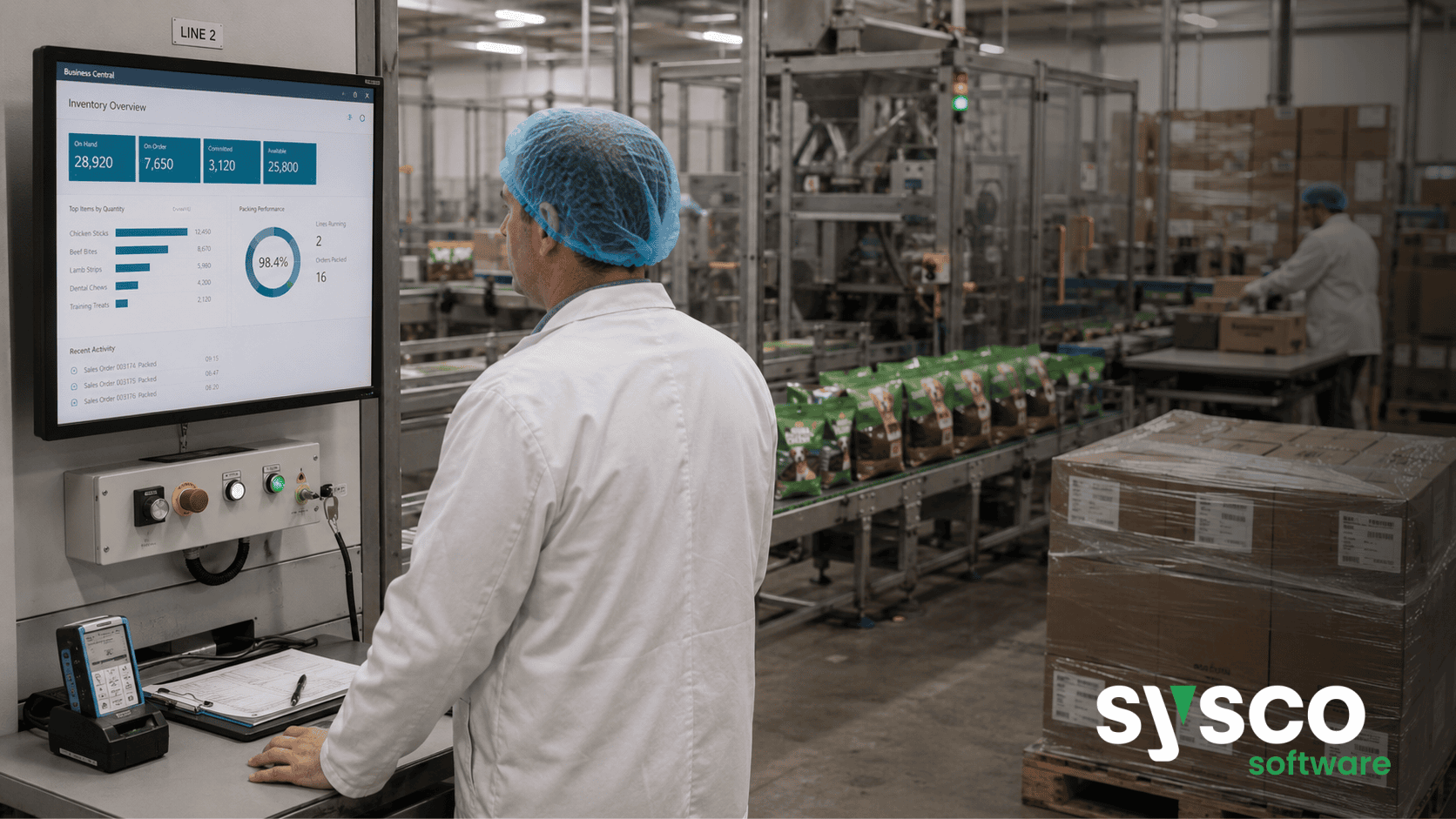
Dynamics 365 Business Central is another important module often confused with broader ERP solutions. It’s particularly suited for small and medium-sized Irish businesses, offering core financial management, supply chain, and manufacturing capabilities in a more streamlined package than Dynamics 365 Finance and Supply Chain Management.
The Power Platform Connection
It’s also vital to recognise the role of the Microsoft Power Platform. This suite of tools—including Power Apps, Power Automate, and Power BI—can be used to extend Dynamics 365 functionality, automate workflows, and create custom reports tailored to specific Irish business needs.
Aligning Business Processes with Dynamics 365 Capabilities
Mapping Requirements to Modules
Successfully implementing Dynamics 365 requires a thorough understanding of your organisation’s existing business processes. It’s crucial to map these processes to the relevant Dynamics 365 modules and identify any gaps that need to be addressed through custom development or integration with other systems.
Considering Industry-Specific Needs
Irish businesses operate within a diverse range of industries, each with unique requirements. For example, food and beverage manufacturers may require specific traceability features, while public sector organisations have stringent compliance obligations. Selecting the right Dynamics 365 modules and configuring them appropriately is essential for meeting these industry-specific needs.
The Importance of Data Migration
Migrating data from legacy systems to Dynamics 365 can be a complex undertaking. Careful planning and execution are crucial to ensure data integrity, minimise disruption, and maximise the value of the new system. This often involves data cleansing, transformation, and validation.
A Structured Approach to Defining Your Requirements
Workshops and Discovery Sessions
The first step in defining your Dynamics 365 requirements is conducting thorough workshops and discovery sessions with key stakeholders across different departments. These sessions should focus on understanding current processes, identifying pain points, and outlining desired outcomes.
Documenting Functional Requirements
It’s essential to document functional requirements in a clear and concise manner. This documentation should specify what the system needs to do, not how it should be implemented. Prioritising these requirements based on business impact is also crucial.
Technical Considerations
Beyond functional requirements, technical considerations such as integration with existing systems, data security, and scalability need to be addressed. A structured approach ensures that the Dynamics 365 implementation aligns with your organisation’s overall IT strategy.
Next Steps: A Platform Assessment for Clarity
Given the complexity of Dynamics 365 and the potential for misunderstandings, a comprehensive platform assessment is highly recommended before embarking on an implementation project. This assessment involves evaluating your business processes, assessing application fit, reviewing architecture, identifying integration requirements, and defining data migration strategies.
At Sysco Software, we offer Dynamics 365 strategy and platform assessments specifically tailored to the needs of Irish organisations. Our experienced consultants will work closely with you to clarify your requirements, identify the right modules, and develop a roadmap for successful implementation. Learn more about our Dynamics 365 platform assessment services.






