
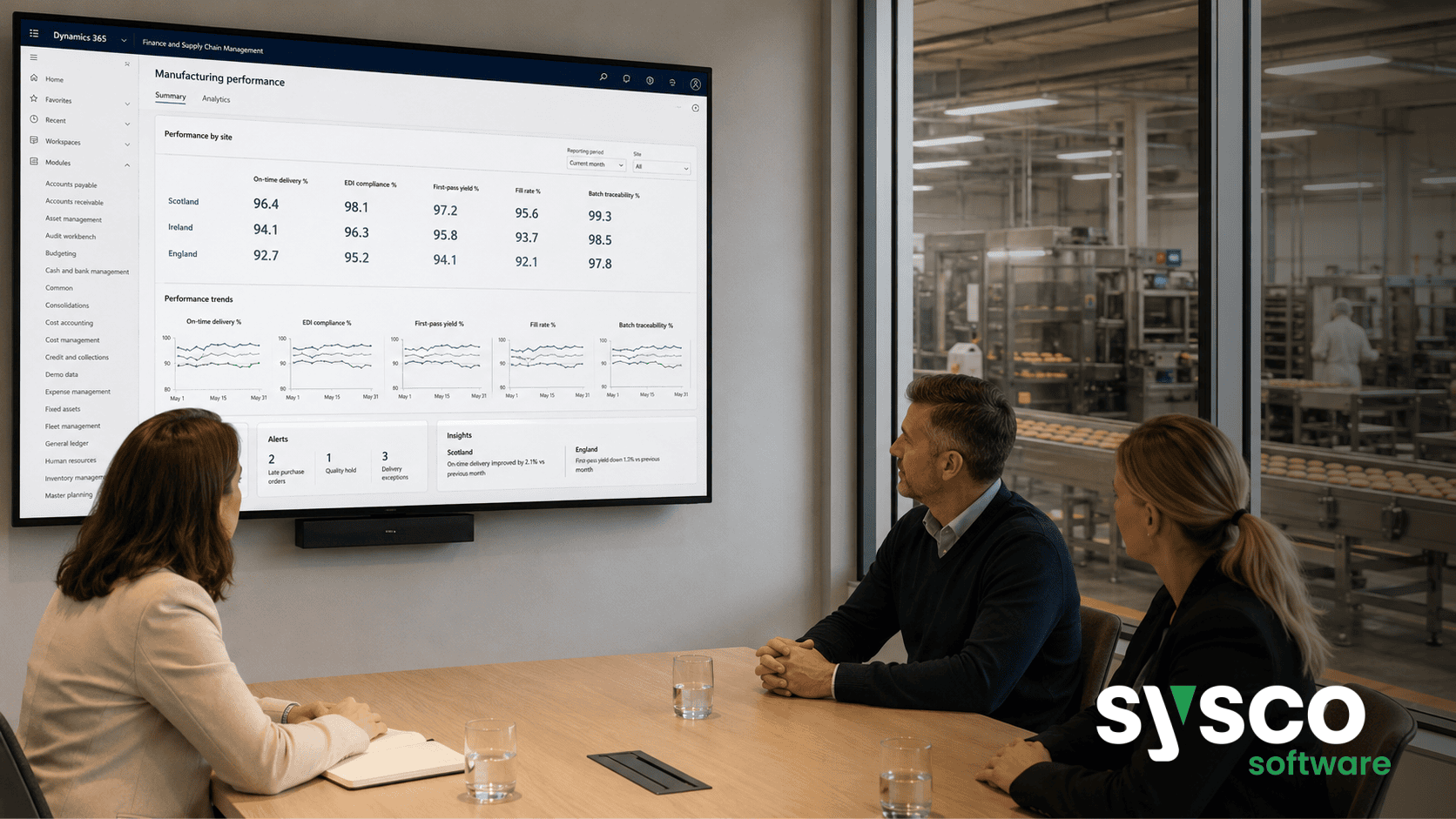
Dynamics 365: What’s Your ERP Selection Process?
Are you feeling overwhelmed by the sheer number of options when choosing an Enterprise Resource Planning (ERP) system for your Irish business? This guide clarifies a structured approach to Dynamics 365 selection, helping you navigate complexity and make informed decisions.
Understanding Your Business Needs for ERP Selection
Selecting the right ERP system is more than just picking software; it’s about aligning technology with your business strategy. A rushed or poorly considered choice can lead to inefficiencies, wasted investment, and ongoing frustration.
Before you even look at specific modules or vendors, take a step back and thoroughly assess your current operational landscape. What are the biggest pain points?
Where are processes inefficient? What are your growth aspirations?
- Identify Key Challenges: Conduct interviews with key stakeholders across departments to understand their frustrations and needs.
- Define Objectives: Clearly articulate what you want to achieve with a new ERP system – improved efficiency, better reporting, enhanced customer service, or something else entirely.
- Assess Current Systems: Document your existing systems and processes, noting limitations and areas for improvement.
Defining Scope: What Processes Need to be Integrated?
A common mistake is implementing an ERP system that only addresses a portion of your business needs. This creates data silos and limits the potential benefits.
Carefully define which processes need to be integrated into the new system. Consider finance, operations, supply chain, sales, customer service, and any other critical areas.
- Process Mapping: Visually map out key business processes to identify dependencies and integration points.
- Data Requirements: Determine what data needs to be captured, stored, and reported within the ERP system.
- Future-Proofing: Consider potential future growth and scalability requirements when defining scope.
Evaluating Dynamics 365 Modules: Business Central vs. Finance & Supply Chain
Microsoft Dynamics 365 offers a range of modules, each designed to address specific business needs. Understanding the differences between Business Central and Finance & Supply Chain Management is crucial for making the right choice.
Dynamics 365 Business Central provides a comprehensive suite of ERP functionality suitable for small to mid-sized organisations with relatively straightforward processes. It’s often favoured for its ease of use and rapid implementation capabilities.
- Business Central: Ideal for businesses seeking a practical cloud ERP solution with strong financial management, inventory control, and reporting features.
Dynamics 365 Finance & Supply Chain Management caters to larger, more complex organisations with sophisticated manufacturing, distribution, or supply chain requirements. It offers advanced capabilities for managing global operations and multi-entity structures.
- Finance & Supply Chain Management: Best suited for businesses needing enterprise-grade ERP functionality, including advanced production planning, warehouse management, and trade compliance.
Assessing Partner Capabilities: Local Expertise and Implementation Support
Selecting the right implementation partner is just as important as choosing the right software. A skilled partner can guide you through the entire process, ensuring a smooth transition and maximizing the value of your investment.
Look for a Dynamics 365 partner with proven experience in Ireland, particularly within your industry sector. Local expertise is invaluable for navigating Irish regulations and business practices.
- Industry Experience: Prioritise partners with specific knowledge of your industry’s unique challenges and requirements.
- Implementation Methodology: Understand the partner’s implementation methodology and ensure it aligns with your project goals.
- Support Services: Evaluate the partner’s ongoing support services, including training, maintenance, and upgrades.
The Cost of Ownership: Beyond Initial Licensing Fees
While initial licensing fees are a significant consideration, they represent only one aspect of the total cost of ownership (TCO) for an ERP system.
Factor in implementation costs, training expenses, ongoing support and maintenance fees, hardware infrastructure (if applicable), and potential customization requirements. A thorough TCO analysis will provide a more realistic picture of the long-term financial commitment.
- Implementation Costs: Include consulting fees, data migration services, and project management expenses.
- Training & Change Management: Allocate budget for user training and change management initiatives to ensure adoption.
- Ongoing Support: Account for annual maintenance fees and potential support costs.
Making the Decision: A Structured Approach for Irish Businesses
Avoid impulsive decisions by following a structured approach to ERP selection. This will help you evaluate options objectively and minimize risks.
Create a weighted scoring matrix that considers key criteria such as functionality, cost, vendor reputation, implementation timeline, and user experience. Involve stakeholders from across the business in the evaluation process to ensure buy-in and consensus.
- Define Criteria: Identify the most important factors for your organisation.
- Assign Weights: Allocate weights to each criterion based on its relative importance.
- Score Options: Evaluate potential ERP systems against each criterion and assign scores accordingly.
Don’t underestimate the value of demos and references. Request demonstrations from shortlisted vendors and speak with existing customers to gain firsthand insights into their experiences.
Remember, a successful ERP implementation requires more than just technology; it demands commitment, collaboration, and a clear vision for the future.
Next Steps with Sysco Software Ireland
Choosing an ERP system is a significant investment. At Sysco Software Ireland, we understand the complexities involved and are committed to guiding you through every step of the process.
We offer expert advice, tailored solutions, and ongoing support to help Irish businesses achieve their operational goals with Microsoft Dynamics 365. Whether you’re considering Business Central or Finance & Supply Chain Management, our team has the experience and expertise to ensure a successful implementation.
Ready to explore your options? Contact us today for a free consultation and let us help you find the right Dynamics 365 solution for your business.






