
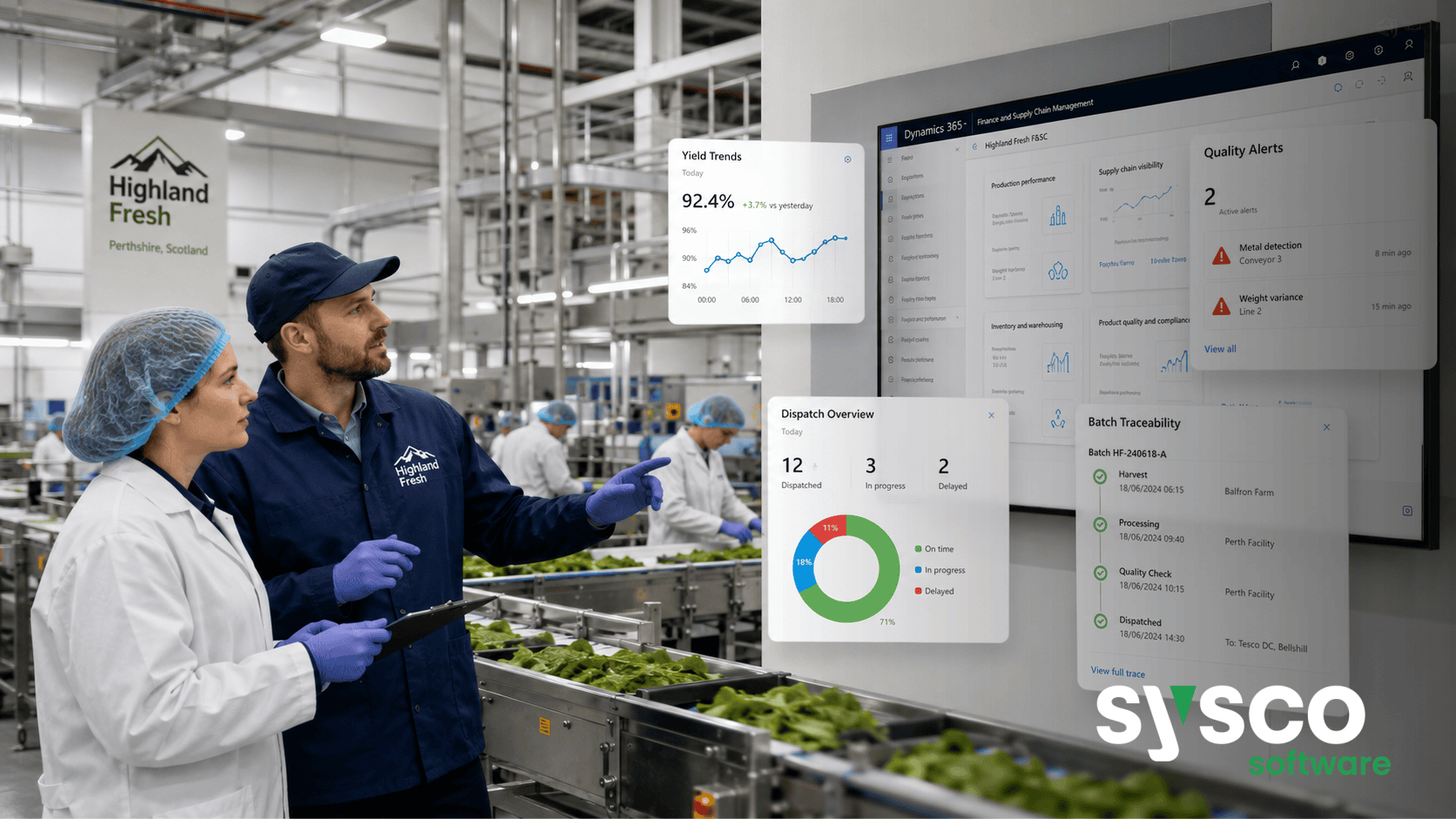
ERP Projects: Proof Points That Drive Real Outcomes
Too many ERP projects focus on ticking off software features and implementation milestones, without clearly defining what ‘success’ looks like beyond go-live. Conversely, high-performing teams begin with measurable outcomes – tangible proof points that demonstrate the project’s value to stakeholders. This shift in perspective transforms an ERP initiative from a technology upgrade into a strategic business driver.
The common mistake of prioritizing software over results often leads to disappointment and wasted investment. Teams get caught up in vendor demos, complex configurations, and lengthy implementation timelines, losing sight of the core business objectives.
The result? A system that might be technically functional but fails to deliver the anticipated improvements in efficiency, profitability, or customer satisfaction.
Why Measurable Outcomes Matter in ERP Projects
Measurable outcomes provide a clear roadmap for your ERP project and act as crucial checkpoints along the way. They allow you to track progress, identify potential roadblocks early on, and make necessary adjustments before they escalate into major issues. Without these defined proof points, it’s impossible to definitively assess whether the project is delivering value or meeting expectations.
Furthermore, clearly articulated outcomes foster buy-in from key stakeholders across the organisation. When everyone understands what the ERP system is expected to achieve and how that aligns with their individual goals, they’re more likely to support the project and actively participate in its success. This shared understanding minimizes resistance to change and promotes a collaborative environment.
Defining Proof Points: A Practical Approach
Defining proof points isn’t about setting arbitrary targets; it’s about identifying specific, measurable indicators that demonstrate progress towards your business objectives. These indicators should be directly linked to the project’s goals and easily tracked throughout the implementation process. A useful framework is using the SMART criteria: Specific, Measurable, Achievable, Relevant, and Time-bound.
Start by listing your key business objectives – for example, reducing inventory holding costs, improving order fulfillment accuracy, or increasing sales team productivity. Then, translate each objective into a measurable proof point. For instance, instead of simply aiming to “improve order fulfillment,” define it as “reduce order fulfillment errors by 15% within six months of go-live.”
Linking Proof Points to Business Objectives
The connection between your proof points and business objectives is paramount. Each proof point should directly contribute to achieving a specific objective, creating a clear line of sight for stakeholders and demonstrating the project’s value proposition. This linkage also allows you to prioritize efforts and allocate resources effectively.
Consider how each potential proof point aligns with your overall ERP strategy. For example, if one objective is to improve supply chain visibility, a relevant proof point might be “reduce stockouts by 10% within three months of go-live.” This demonstrates the tangible benefit of enhanced visibility and reinforces the value of the ERP investment.
Examples of Measurable Outcomes by Function (Finance, Supply Chain)
Let’s look at some examples across different functional areas. In Finance, a proof point could be “reduce month-end close cycle time from 10 days to 5 days within six months of go-live,” demonstrating improved efficiency and accuracy in financial reporting.
- Finance: Reduce month-end close cycle time by X%.
- Finance: Improve accounts receivable collections rate by Y%.
- Supply Chain: Decrease inventory holding costs by Z% within one year.
- Supply Chain: Achieve a 98% on-time delivery rate for key customers.
- Sales: Increase sales team win rates by A% after implementation.
- Customer Service: Reduce average case resolution time by B%.
For Supply Chain, an example could be “achieve a 98% on-time delivery rate for key customers,” showcasing improved customer service and operational efficiency. In Sales, you might aim to “increase sales team win rates by X% after implementation,” demonstrating enhanced productivity and effectiveness.
Remember that these are just examples; your specific proof points will depend on your unique business objectives and challenges. The key is to make them measurable, achievable, relevant, and time-bound.
How Sysco Software Helps You Define and Track Success
Defining and tracking meaningful outcomes can be a complex undertaking, especially when dealing with the intricacies of ERP implementations. That’s where Sysco Software comes in. Our ERP Discovery and Requirements service helps organisations articulate clear objectives and translate them into measurable proof points before committing to software or implementation partners.
Our structured discovery workshops facilitate collaboration among stakeholders, ensuring everyone is aligned on project goals and expectations. We then help you define a practical roadmap for achieving those goals, with clearly defined milestones and metrics for tracking progress. This proactive approach minimizes the risk of scope creep, budget overruns, and ultimately, implementation failure.
Whether you’re considering Microsoft Dynamics 365 Business Central or the more complex Dynamics 365 Finance and Supply Chain Management, Sysco Software provides the expertise and guidance to ensure your ERP project delivers tangible business results. We help organisations start their projects with clarity, confidence, and a clear path to success.
To learn more about how Sysco Software can help you define and track measurable outcomes for your ERP project, visit our website today and discover the SmartStep difference.






