
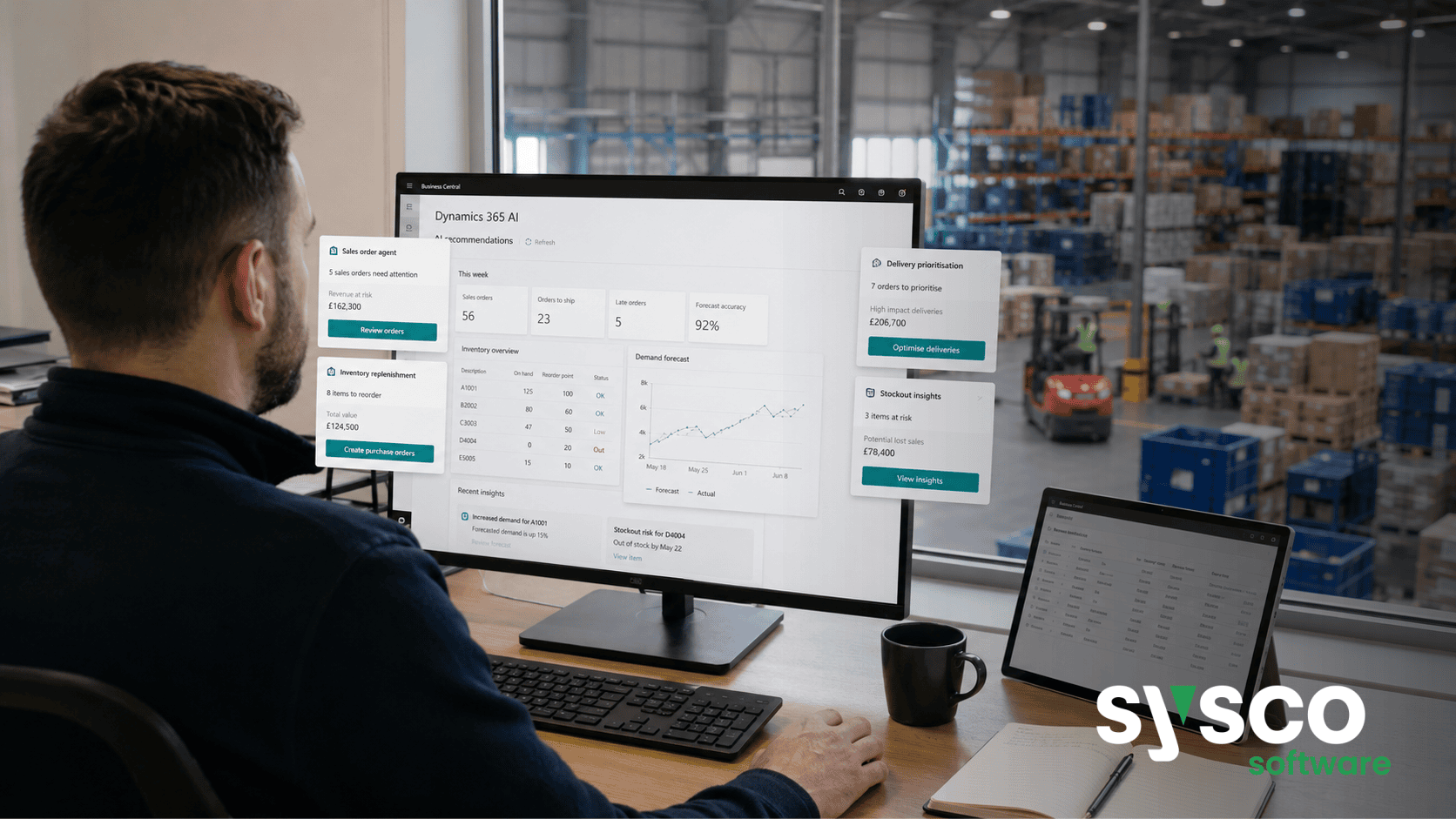
Dynamics 365: Your Step-by-Step Scotland Guide
Are you feeling overwhelmed by the complexity of implementing Microsoft Dynamics 365 in your Scottish organisation? This guide clarifies each step, from initial assessment to ongoing optimisation, providing a practical roadmap tailored for the unique challenges and opportunities facing businesses here.
Implementing new ERP or CRM systems can feel like navigating uncharted territory. Many Scottish organisations find themselves unsure where to begin, fearing disruption and questioning whether the investment will truly deliver on its promise. This step-by-step guide aims to demystify the process, offering clarity and actionable insights for a successful Dynamics 365 deployment.
Understanding Your Scottish Business Needs
Before even considering specific modules or implementation partners, it’s crucial to thoroughly understand your business’s unique requirements. This involves more than just identifying current pain points; it requires a clear vision of future goals and how Dynamics 365 can help achieve them.
Begin by conducting a comprehensive needs assessment across all departments – finance, operations, sales, customer service, and supply chain. Engage key stakeholders from each area to gather their input and understand their specific challenges. Don’t underestimate the importance of this initial phase; it lays the foundation for a successful implementation.
Defining Scope and Objectives in Scotland
Once you have a solid understanding of your needs, define clear, measurable objectives for your Dynamics 365 deployment. These objectives should align with your overall business strategy and provide a framework for evaluating success.
- Scope Creep: Be wary of scope creep – the tendency to expand the project’s boundaries beyond its initial plan. A well-defined scope keeps the project on track and within budget.
- Key Performance Indicators (KPIs): Identify specific KPIs that will be used to measure progress toward your objectives. These might include improved reporting accuracy, reduced operational costs, or increased sales efficiency.
- Scottish Context: Consider the unique regulatory landscape in Scotland, including compliance requirements for industries like food and drink or financial services. Dynamics 365 should be configured to meet these specific needs.
Choosing the Right Dynamics 365 Module: Business Central vs. F&SCM
Selecting the appropriate Dynamics 365 module is a critical decision, impacting both functionality and cost. While both Business Central and Finance & Supply Chain Management offer powerful capabilities, they cater to different types of organisations.
Business Central is often an excellent choice for mid-market Scottish businesses seeking a practical cloud ERP solution. It provides core financial management, inventory, and sales functionalities, suitable for many common business processes. However, if your organisation faces complex manufacturing or supply chain requirements – such as those found in the whisky industry or large distribution networks – Finance & Supply Chain Management may be more appropriate.
- Business Central: Ideal for mid-market organisations needing a comprehensive cloud ERP solution with strong financial and operational capabilities.
- Finance and Supply Chain Management: Designed for larger, complex organisations with advanced manufacturing, distribution, or multi-entity requirements.
Data Migration Strategies for Scottish Organisations
Migrating data from legacy systems to Dynamics 365 is a significant undertaking that requires careful planning and execution. A poorly executed migration can lead to data loss, errors, and disruption to business operations.
Develop a detailed data migration plan outlining the scope of data to be migrated, the process for cleansing and transforming data, and the timeline for completion. Consider engaging experienced Dynamics 365 consultants to assist with this critical phase. Prioritise data integrity; inaccurate or incomplete data will undermine the value of your new system.
Customisation and Integration with Existing Systems
While Dynamics 365 offers a wealth of functionality out-of-the-box, most organisations require some level of customisation to meet their specific needs. This might involve tailoring workflows, creating custom reports, or integrating with existing systems.
Carefully evaluate the need for customisations; excessive customisation can increase complexity and maintenance costs. Prioritise integrations that connect Dynamics 365 with critical business applications – such as e-commerce platforms or customer relationship management (CRM) tools – to ensure seamless data flow across your organisation.
Training and Change Management – A Scottish Perspective
Successful implementation of Dynamics 365 hinges on user adoption. Comprehensive training and effective change management are essential for ensuring that employees embrace the new system and utilise it effectively.
Develop a tailored training program addressing the specific roles and responsibilities of each user group. Consider incorporating elements of Scottish culture and communication styles to maximise engagement.
Early involvement from key users in the implementation process can help build buy-in and minimise resistance to change. Remember, Dynamics 365 is only as good as its users.
Change management isn’t just about training; it’s about addressing concerns, communicating benefits, and fostering a culture of continuous improvement. A dedicated change manager can play a vital role in guiding your organisation through this transition.
Post-Implementation Support & Optimisation in Scotland
The journey doesn’t end with go-live. Ongoing support and optimisation are essential for maximising the long-term value of your Dynamics 365 investment.
- Ongoing Support: Establish a clear support structure to address user issues and resolve technical problems promptly.
- Performance Monitoring: Regularly monitor system performance and identify areas for improvement.
- Continuous Optimisation: Stay abreast of new Dynamics 365 features and updates, and proactively optimise your configuration to meet evolving business needs.
Partnering with a local Microsoft Dynamics 365 expert like Sysco Software Scotland ensures you have access to ongoing support and expertise tailored to the Scottish market. Learn more about our Dynamics 365 implementation, migration, and support services here.






