
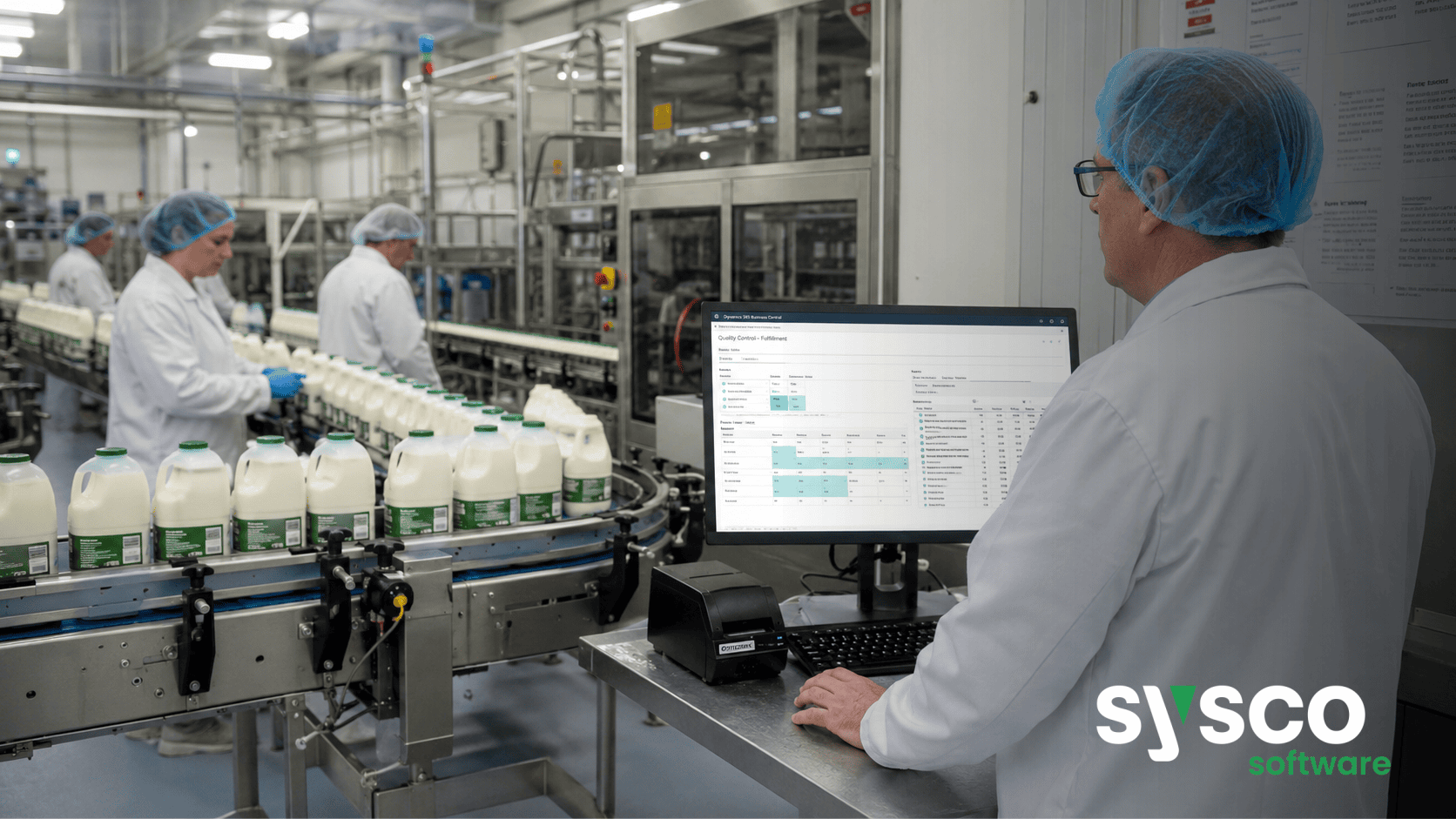
Microsoft Cloud ERP: A Practical Route for Scotland
This practical guide outlines how Scottish organisations can leverage Microsoft Dynamics 365 Business Central and Finance and Supply Chain Management to modernise their operations, covering everything from defining your specific requirements to selecting the right implementation partner. By the end of this article, you’ll have a clear understanding of the options available, key considerations for success, and the steps needed to move towards a connected, cloud-based ERP system.
Understanding the Current Landscape for Scottish Businesses
Many Scottish businesses operate within unique circumstances that necessitate tailored ERP solutions. Geographical challenges, industry regulations specific to Scotland (such as those impacting food and drink production or whisky distilling), and the ongoing need to attract and retain skilled labour all contribute to a complex operating environment. Legacy systems, often acquired through mergers or acquisitions, frequently exacerbate these challenges, creating data silos and hindering operational efficiency.
The reliance on spreadsheets for core financial management remains surprisingly prevalent in some sectors. While seemingly manageable for smaller operations, this approach quickly becomes unsustainable as businesses grow, leading to errors, lack of visibility, and increased risk. Furthermore, the increasing complexity of regulatory reporting requirements, particularly concerning VAT and HMRC compliance, demands more robust and automated solutions.
Defining Your ERP Requirements: A Scottish Perspective
Before embarking on any ERP implementation project, a thorough assessment of your specific needs is essential. This process should go beyond simply identifying pain points; it requires a detailed understanding of current processes, future growth plans, and the unique challenges facing your business within the Scottish context. Consider factors such as inventory management across multiple locations, compliance with industry-specific regulations (e.g., food safety standards), and integration with existing systems.
Engaging key stakeholders from different departments – finance, operations, sales, and IT – is crucial for gathering a comprehensive picture of your requirements. This collaborative approach ensures that the chosen ERP solution addresses the needs of all relevant teams and avoids creating new silos or bottlenecks. A clear definition of these requirements will serve as the foundation for evaluating potential solutions and ensuring alignment with business objectives.
Microsoft Dynamics 365 Business Central vs. Finance and Supply Chain Management
Choosing between Microsoft Dynamics 365 Business Central and Finance and Supply Chain Management is a pivotal decision, and one that requires careful consideration of your organisation’s size, complexity, and future aspirations. Business Central offers a practical ERP solution ideally suited for Scottish mid-market organisations seeking to streamline financial management, inventory control, and operational processes.
Dynamics 365 Finance and Supply Chain Management, on the other hand, caters to larger, more complex enterprises with sophisticated manufacturing or distribution needs. It provides advanced capabilities in areas such as production planning, warehouse management, and multi-entity reporting – features often essential for businesses operating across multiple locations or dealing with intricate supply chains. Understanding these distinctions is key to selecting the right platform for your specific requirements.
Key Considerations for Cloud ERP Implementation in Scotland
Implementing a cloud-based ERP system in Scotland presents unique considerations. Reliable internet connectivity, particularly in more rural areas, is paramount.
While broadband infrastructure has improved significantly across Scotland, it’s crucial to assess the availability and stability of your connection before committing to a cloud solution. Data residency requirements may also be relevant depending on industry regulations or contractual obligations.
Furthermore, cultural nuances within Scottish businesses can influence the adoption process. Effective change management is critical for ensuring user buy-in and minimizing disruption during implementation. A phased approach, starting with core modules and gradually expanding functionality, often proves more successful than a “big bang” rollout.
Phases of a Successful Microsoft Cloud ERP Project
A successful Dynamics 365 cloud ERP project typically unfolds in distinct phases, each requiring careful planning and execution. The initial phase involves detailed requirements gathering and solution design, ensuring alignment with business objectives. This is followed by data migration – often the most challenging aspect of any ERP implementation – where existing data is cleansed, transformed, and imported into the new system.
The next stage encompasses configuration and customisation, tailoring the Dynamics 365 platform to meet specific business needs. Thorough testing and user acceptance training are crucial for validating functionality and ensuring user proficiency. Finally, deployment marks the transition to live operations, followed by ongoing support and optimisation to maximise return on investment.
Partner Selection & Support: Why Regional Expertise Matters
Selecting the right implementation partner is arguably the most critical decision in any ERP project. While numerous global providers exist, partnering with a regionally focused expert like Sysco Software Scotland offers distinct advantages. We possess deep understanding of the Scottish business landscape, including industry-specific regulations and cultural nuances.
Local expertise translates to more effective communication, faster response times, and a commitment to long-term support. Furthermore, a regional partner is better positioned to provide ongoing managed services and proactive maintenance, ensuring your Dynamics 365 system remains optimised and aligned with evolving business needs. We offer a structured route for Scottish businesses needing better support or considering a partner transition.
Partner Selection Checklist
- Local ExperienceProven track record of successful implementations within Scotland.
- Industry ExpertiseDeep understanding of your specific sector (e.g., food and drink, manufacturing).
- Microsoft Partnership StatusGold Partner status demonstrating technical competence and commitment to Microsoft technologies.
- Support CapabilitiesComprehensive support services including proactive maintenance and incident management.
- Cultural FitA partner that understands your business culture and values a collaborative approach.
Ultimately, moving to Dynamics 365 is an investment in the future of your Scottish organisation. By carefully considering your requirements, selecting the right solution, and partnering with experienced professionals, you can unlock significant benefits including improved efficiency, enhanced visibility, and greater agility.
Ready to modernise your Scottish organisation with Microsoft Dynamics 365?Discover how Sysco Software Scotland can help.






