
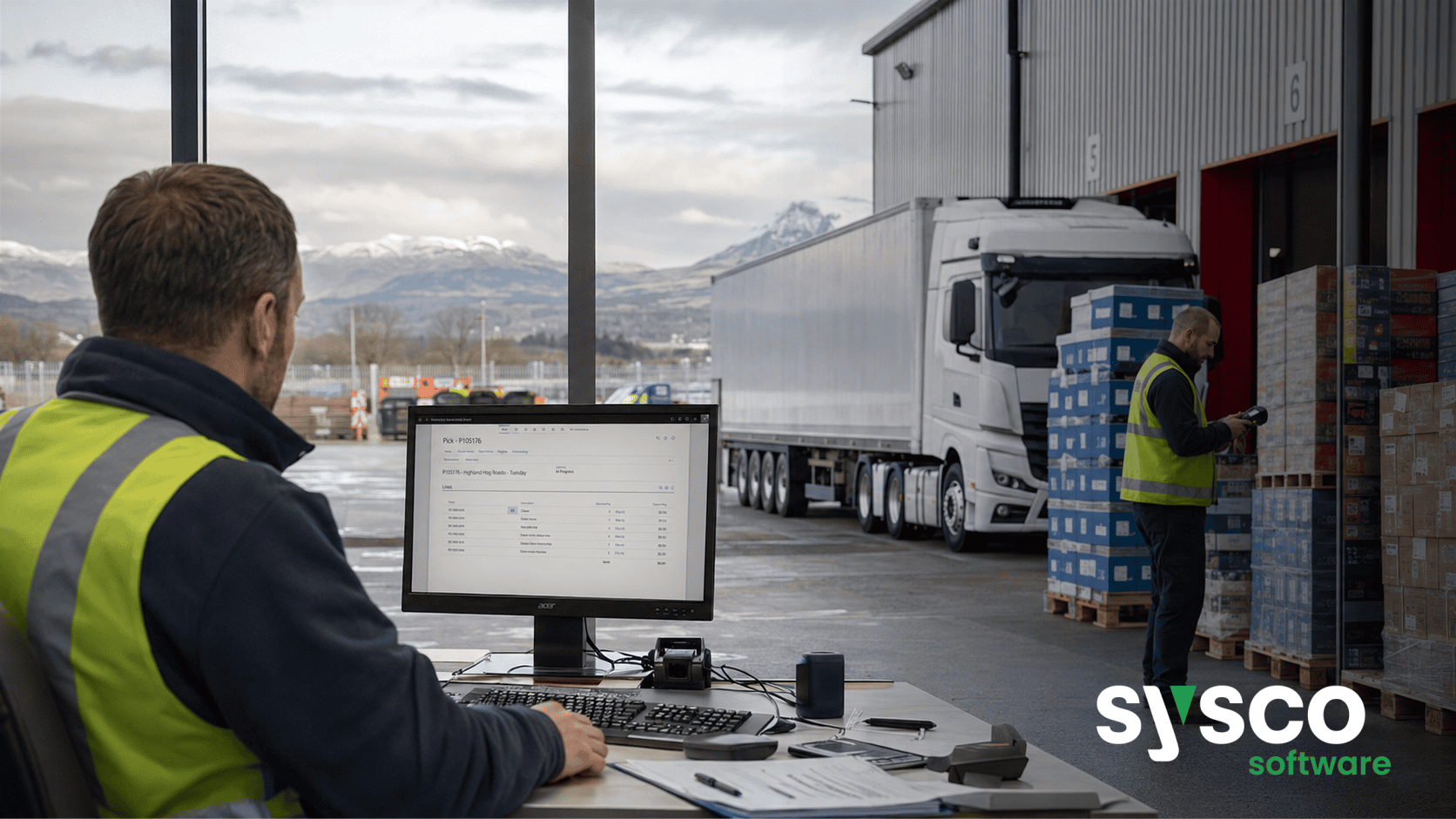
Dynamics 365: A Practical Guide for Scottish Businesses
Choosing and implementing Microsoft Dynamics 365 can feel overwhelming, but this guide will provide you with a clear roadmap to navigate the process successfully as a Scottish business.
By the end of this article, you’ll understand your options, know how to select the right modules, identify a suitable local partner, anticipate implementation challenges, and plan for ongoing optimisation – ultimately ensuring a return on investment that aligns with your specific business goals.
Understanding Your Business Needs Before Dynamics 365
Defining Your Current Pain Points
Before even considering which Microsoft Dynamics 365 modules to select, it’s crucial to thoroughly assess your current operational landscape. Don’t just focus on what isn’t working; identify the root causes of those issues.
Are you struggling with slow month-end reporting? Is stock visibility a constant challenge?
Do sales and marketing efforts lack integration with finance?
Documenting Your Requirements
Once pain points are identified, translate them into concrete requirements. These should be specific, measurable, achievable, relevant, and time-bound (SMART). For example, instead of “improve reporting,” a SMART requirement would be “reduce month-end close time by 20% within six months.” Involve key stakeholders from across departments – finance, operations, sales, IT – to ensure comprehensive coverage.
Assessing Future Scalability
Consider your business’s growth trajectory. Will a solution meet your needs not just today but also in three or five years? Dynamics 365 is designed for scalability, but it’s important to plan ahead and avoid future limitations by selecting appropriate modules and configurations from the outset.
Choosing the Right Microsoft Dynamics 365 Modules for Scotland
Core Modules: Finance and Operations
For many Scottish businesses, Dynamics 365 Business Central provides a robust foundation. It integrates finance, purchasing, sales, stock control, and project management into a single platform. However, larger organisations with more complex manufacturing or supply chain needs might benefit from Dynamics 365 Finance and Supply Chain Management.
Customer Engagement: Sales and Marketing
Dynamics 365 Customer Engagement (Sales) helps streamline sales processes, manage customer relationships, and improve marketing effectiveness. Integration with finance and operations provides a holistic view of the customer lifecycle, from initial inquiry to post-sales support.
Power Platform for Customisation and Automation
The Power Platform allows you to extend Dynamics 365 functionality through custom apps, workflows, and reports. This is particularly valuable for Scottish businesses with unique industry requirements or processes that aren’t readily addressed by standard modules.
Specialised Modules: Manufacturing & Supply Chain
For manufacturers, consider modules like production control, shop floor management, and quality management. Scottish food and drink producers may benefit from enhanced traceability features to meet regulatory compliance.
Selecting a Local Dynamics 365 Partner in Scotland: Key Considerations
Local Expertise is Crucial
While Sysco Software has extensive UK and Ireland experience, choosing a partner with specific knowledge of the Scottish business environment is invaluable. They understand local regulations, industry nuances, and cultural considerations.
Experience Across Sectors
Look for a partner with proven experience in your sector – food & drink, manufacturing, wholesale distribution, or others. Sector-specific expertise ensures they can tailor the implementation to meet your unique challenges.
Implementation Methodology
Inquire about their implementation methodology. A structured approach, incorporating best practices and risk mitigation strategies, is essential for a successful project.
Ongoing Support and Managed Services
Consider the partner’s ongoing support capabilities. Do they offer tiered support plans? Can they provide managed services to handle day-to-day operations and maintenance?
The Implementation Process: A Step-by-Step Guide for Scottish Businesses
Discovery & Planning Phase
This initial phase involves a thorough assessment of your business processes, requirements, and existing systems. The partner should conduct workshops with key stakeholders to gather information and define project scope.
Configuration & Customisation
Based on the discovery phase, the partner will configure Dynamics 365 modules and customise them as needed to meet specific requirements. This may involve developing custom reports, workflows, or integrations.
Data Migration
Migrating data from legacy systems is a critical step. Plan for data cleansing, validation, and transformation to ensure accuracy and consistency in the new system.
Testing & Training
Rigorous testing is essential before go-live. Conduct user acceptance testing (UAT) with representative users to identify and resolve any issues. Provide comprehensive training to all users to ensure they can effectively utilise the new system.
Maximizing Your ROI with Ongoing Support and Optimization
Regular System Reviews
Schedule regular reviews of your Dynamics 365 implementation to assess performance, identify areas for improvement, and ensure alignment with evolving business needs.
Utilising Power BI Reporting
Leverage Power BI dashboards to gain real-time insights into key performance indicators (KPIs). This data can inform decision-making and drive continuous improvement.
Staying Current with Updates
Microsoft regularly releases updates for Dynamics 365. Keep your system up-to-date to benefit from new features, security enhancements, and bug fixes. Sysco Software offers managed services to handle these updates efficiently.
Ready to explore how Microsoft Dynamics 365 can transform your Scottish business? Book a walkthrough with our team today and discover the tailored value we can bring to your organisation.






