
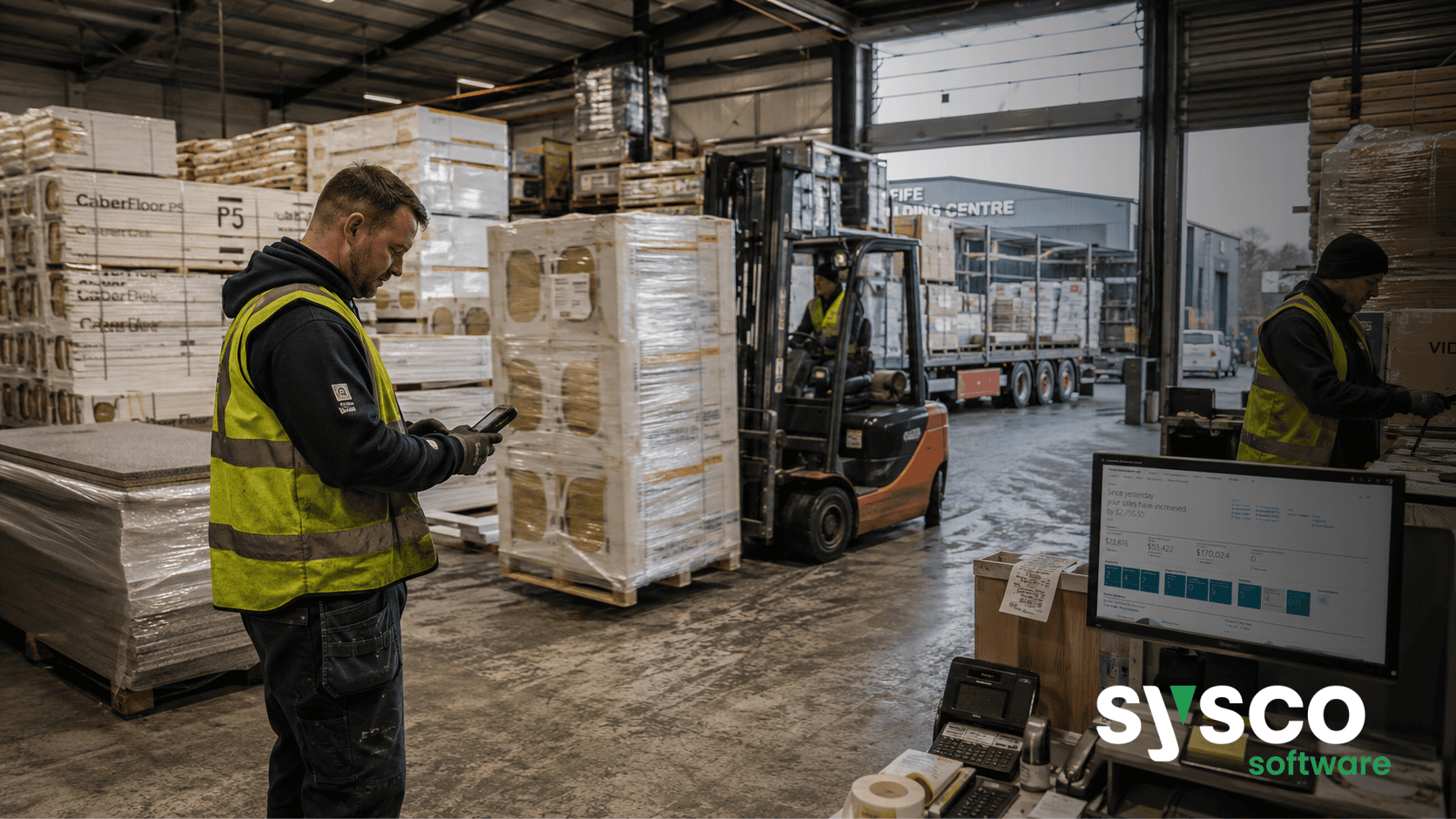
The Growing Pressure for Traceability in Scottish Manufacturing
For many manufacturers across Scotland, maintaining accurate and readily accessible traceability records – from raw materials to finished goods – has become an increasingly complex and time-consuming exercise.
Why Manual Systems Fall Short: Common Pain Points
Historically, many businesses have relied on manual processes for tracking products through their lifecycle. This often involves a combination of paper-based documentation, spreadsheets, and disparate systems that don’t “talk” to each other. While these methods might suffice for smaller operations or those with limited product complexity, they quickly become unsustainable as production volumes increase, supply chains expand, and regulatory requirements tighten.
- Inaccurate Data: Manual data entry is prone to human error, leading to inaccuracies in traceability records.
- Time-Consuming Processes: Searching for information across multiple systems or paper files consumes valuable time and resources.
- Lack of Visibility: Fragmented systems provide limited visibility into the entire product journey, making it difficult to identify bottlenecks or potential issues.
- Compliance Risks: Inadequate traceability can lead to non-compliance with food safety regulations, environmental standards, or other industry requirements.
- Difficulty in Recalls: When a recall is necessary, manual systems make it challenging to quickly and accurately identify affected products, potentially leading to wider distribution and increased costs.
How Dynamics 365 Business Central Streamlines Traceability
Microsoft Dynamics 365 Business Central offers a comprehensive solution for streamlining traceability processes in manufacturing environments. Unlike manual systems, Business Central provides a centralised platform that connects all aspects of the product lifecycle, from raw material sourcing to finished goods distribution.
- Serial Number and Batch Tracking: Track individual items or batches throughout your operations, providing detailed information about origin, processing steps, and quality control checks.
- Lot Number Management: Easily manage lot numbers for products requiring specific tracking requirements, ensuring compliance with industry regulations.
- Warehouse Integration: Integrate Business Central with warehouse management systems to track product movement in real-time, improving inventory accuracy and reducing errors.
- Recipe and Bill of Materials (BOM) Management: Maintain accurate recipes and BOMs, enabling precise traceability of ingredients and components used in production.
- Reporting and Analytics: Generate comprehensive reports on product history, quality control data, and other key metrics to identify areas for improvement and ensure compliance.
The ability to automate these processes reduces the risk of human error, frees up valuable time for staff, and provides a clear audit trail for regulatory inspections.
Beyond Compliance: The Operational Benefits of a Connected System
While traceability is often driven by regulatory requirements, implementing Business Central offers significant operational benefits beyond simple compliance. A connected system provides real-time visibility into the entire product lifecycle, enabling businesses to make data-driven decisions and optimise their processes.
- Improved Efficiency: Automate manual tasks and reduce errors, freeing up staff time for more strategic activities.
- Enhanced Quality Control: Track quality control checks at each stage of the production process, identifying potential issues early on and preventing defects.
- Reduced Waste: Gain insights into material usage and product yields, enabling businesses to minimise waste and improve efficiency.
- Better Customer Service: Provide customers with detailed information about product origin, ingredients, and processing methods, building trust and loyalty.
- Increased Agility: Respond quickly to changing market demands or regulatory requirements with a flexible and adaptable traceability system.
For example, manufacturers can use Business Central’s reporting capabilities to analyse batch yields, identify areas for process improvement, and optimise raw material usage.
Sysco Software’s Approach to Supporting Scottish Manufacturers
At Sysco Software Scotland, we understand the unique challenges faced by manufacturers in Scotland. We work closely with our clients to design and implement Dynamics 365 Business Central solutions that meet their specific needs. Our approach goes beyond simply installing software; we provide ongoing support and training to ensure businesses can maximise the value of their investment.
- Discovery Workshops: We start by conducting thorough discovery workshops to understand your business processes, identify pain points, and define clear objectives.
- Customised Implementation: Our experienced consultants tailor Business Central configurations to align with your specific requirements, ensuring a seamless integration with existing systems.
- User Training: We provide comprehensive training programs for all users, empowering them to effectively utilise the system’s features and functionality.
- Ongoing Support: Our dedicated support team is available to answer questions, resolve issues, and ensure your Business Central environment runs smoothly.
We are committed to partnering with Scottish manufacturers to help them achieve their operational goals and thrive in a competitive market.
If you’re struggling with traceability challenges or seeking to modernise your manufacturing operations, contact Sysco Software Scotland today to schedule a walkthrough and discover how Dynamics 365 Business Central can transform your business.






