
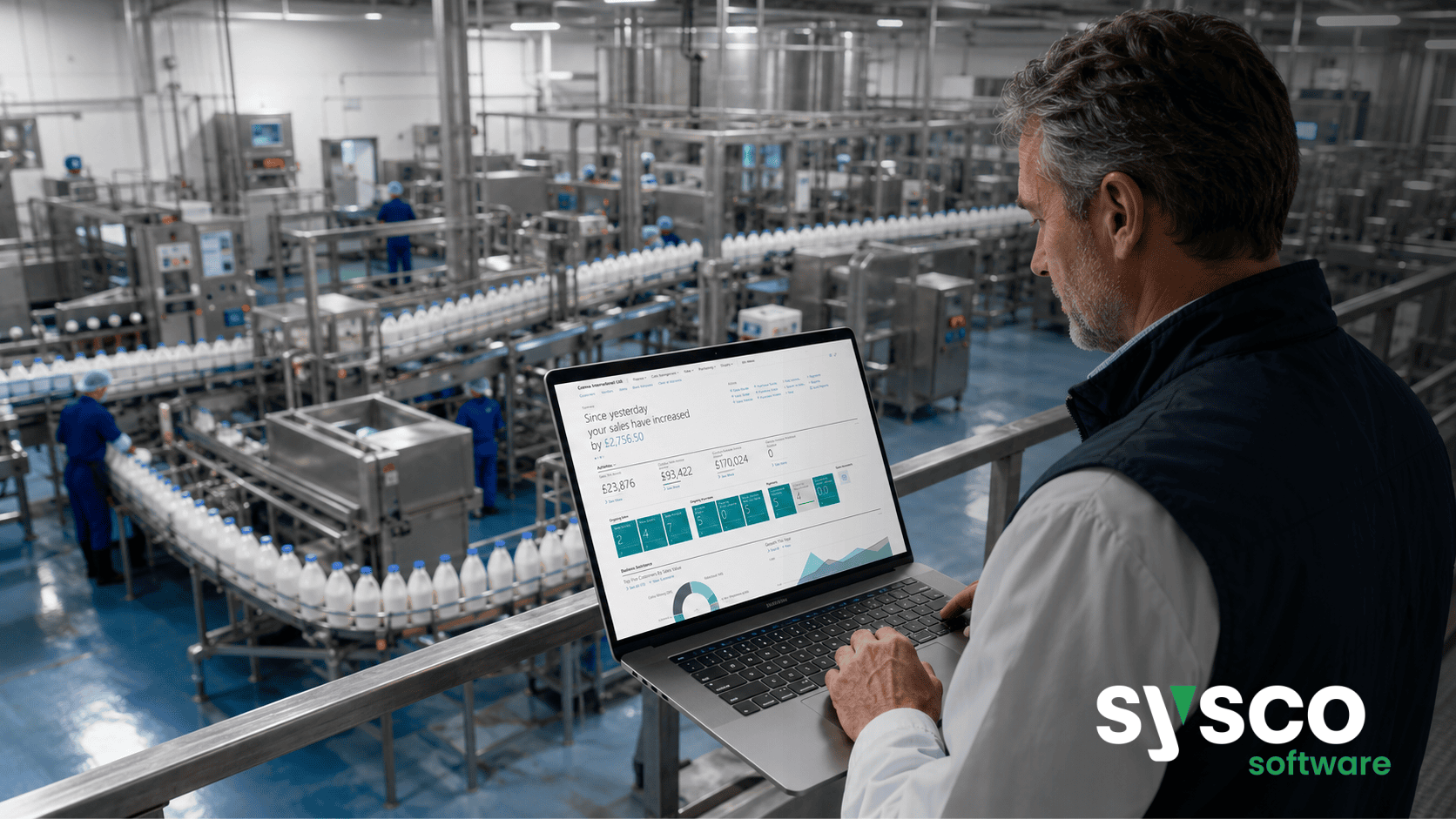
ERP Implementation: Aligning with Operations, Not Just Software
Many organisations treat Enterprise Resource Planning (ERP) implementation as a technology project—selecting software and configuring it to fit existing processes. However, this often results in a system that automates inefficiencies rather than driving genuine improvement. Better-run teams recognise that ERP implementation is fundamentally about business transformation; they leverage the new platform to redesign workflows, eliminate bottlenecks, and achieve operational excellence.
The Disconnect: Why ERP Projects Often Miss the Mark
Too often, ERP implementations fail to deliver expected results because of a disconnect between the software’s capabilities and the organisation’s actual operational needs. This isn’t necessarily about inadequate technology; it’s frequently a consequence of insufficient planning and a lack of engagement from key stakeholders across departments.
Project teams focus on replicating existing processes within the new system, inadvertently embedding inefficiencies and limiting potential gains. The result is an expensive software package that doesn’t fundamentally change how the business operates.
Common Pitfalls in ERP Implementation
Several common pitfalls contribute to this disconnect. These include:
- Insufficient Requirements Gathering: Failing to thoroughly understand current processes and future needs leads to a system that doesn’t address critical pain points.
- Lack of User Involvement: Excluding end-users from the design and testing phases results in a system that is difficult to use and doesn’t meet their practical requirements.
- Overemphasis on Customisation: Excessive custom development can create technical debt, increase maintenance costs, and hinder future upgrades.
- Ignoring Data Quality: Implementing an ERP system with inaccurate or incomplete data simply amplifies existing problems.
- Poor Change Management: Failing to adequately prepare employees for the changes introduced by the new system leads to resistance and reduced adoption.
Beyond Configuration: Understanding Operational Alignment
Operational alignment goes beyond mere configuration; it requires a fundamental rethinking of how work gets done. It’s about analysing existing processes, identifying areas for improvement, and designing workflows that leverage the ERP system’s capabilities to achieve those improvements. This necessitates collaboration between IT teams, operational leaders, and end-users to ensure that the new system supports the organisation’s strategic goals.
Consider a manufacturing company struggling with inventory discrepancies. A standard ERP implementation might simply automate the existing manual inventory tracking process, perpetuating inaccuracies. An operationally aligned approach would involve analysing the root causes of those discrepancies—perhaps inadequate receiving procedures or poor cycle counting practices—and redesigning the entire inventory management workflow to address them.
SmartStep Methodology: A Structured Approach to Success
Sysco Software’s SmartStep methodology is designed to ensure operational alignment throughout the ERP implementation process. It’s a structured, phased approach that prioritises discovery and design before any configuration takes place. This allows us to thoroughly understand your business needs and develop a solution tailored to your specific requirements.
The Four Phases of SmartStep
- Discover: We work closely with you to document existing processes, identify pain points, and define clear objectives for the ERP implementation.
- Design: Based on the findings from the Discover phase, we design a solution that aligns with your operational requirements and supports your business goals.
- Implement: We configure and deploy the ERP system, ensuring seamless integration with existing applications and data migration.
- Support: We provide ongoing support, maintenance, and optimisation services to ensure long-term success.
The initial Discover phase is crucial for operational alignment. It’s not just about gathering requirements; it’s about challenging assumptions, identifying inefficiencies, and defining a vision for how the ERP system can transform your operations.
Key Areas for Operational Alignment in Business Central
Microsoft Dynamics 365 Business Central offers numerous capabilities that can be leveraged to improve operational efficiency. Here are some key areas where alignment is particularly important:
- Supply Chain Management: Optimising inventory levels, streamlining procurement processes, and improving supplier collaboration.
- Manufacturing: Improving production planning, reducing lead times, and enhancing quality control.
- Sales & Distribution: Automating order processing, improving delivery accuracy, and enhancing customer service.
- Finance & Accounting: Streamlining financial reporting, improving cash flow management, and strengthening internal controls.
For example, in a food production environment, aligning Business Central with operational requirements might involve integrating it directly with quality control systems to automatically flag deviations from standards and trigger corrective actions.
Real-World Benefits: Improved Efficiency and Visibility
The benefits of operationally aligned ERP implementation extend far beyond simply automating existing processes. They include:
- Increased Efficiency: Streamlined workflows reduce manual effort, eliminate redundancies, and improve overall productivity.
- Enhanced Visibility: Real-time data provides greater insight into key performance indicators (KPIs), enabling better decision-making.
- Improved Accuracy: Automated processes minimise errors and ensure data integrity.
- Reduced Costs: Increased efficiency, improved accuracy, and reduced waste contribute to significant cost savings.
- Better Compliance: Streamlined processes and enhanced traceability improve compliance with regulatory requirements.
A wholesale distribution company implementing Business Central with a focus on operational alignment might see a reduction in order processing time by 30% and a decrease in inventory carrying costs by 15%.
Partnering with Sysco Software for a Successful Implementation
At Sysco Software, we combine our deep understanding of Microsoft Dynamics 365 Business Central with more than 40 years of experience helping organisations across Ireland, Northern Ireland and Scotland transform their operations. Our SmartStep methodology ensures that your ERP implementation is aligned with your specific business needs, delivering tangible results and long-term value.
To discuss how Sysco Software can help you align your ERP system with your operational requirements, explore our Business Central services today and discover the difference a truly aligned implementation can make.






