
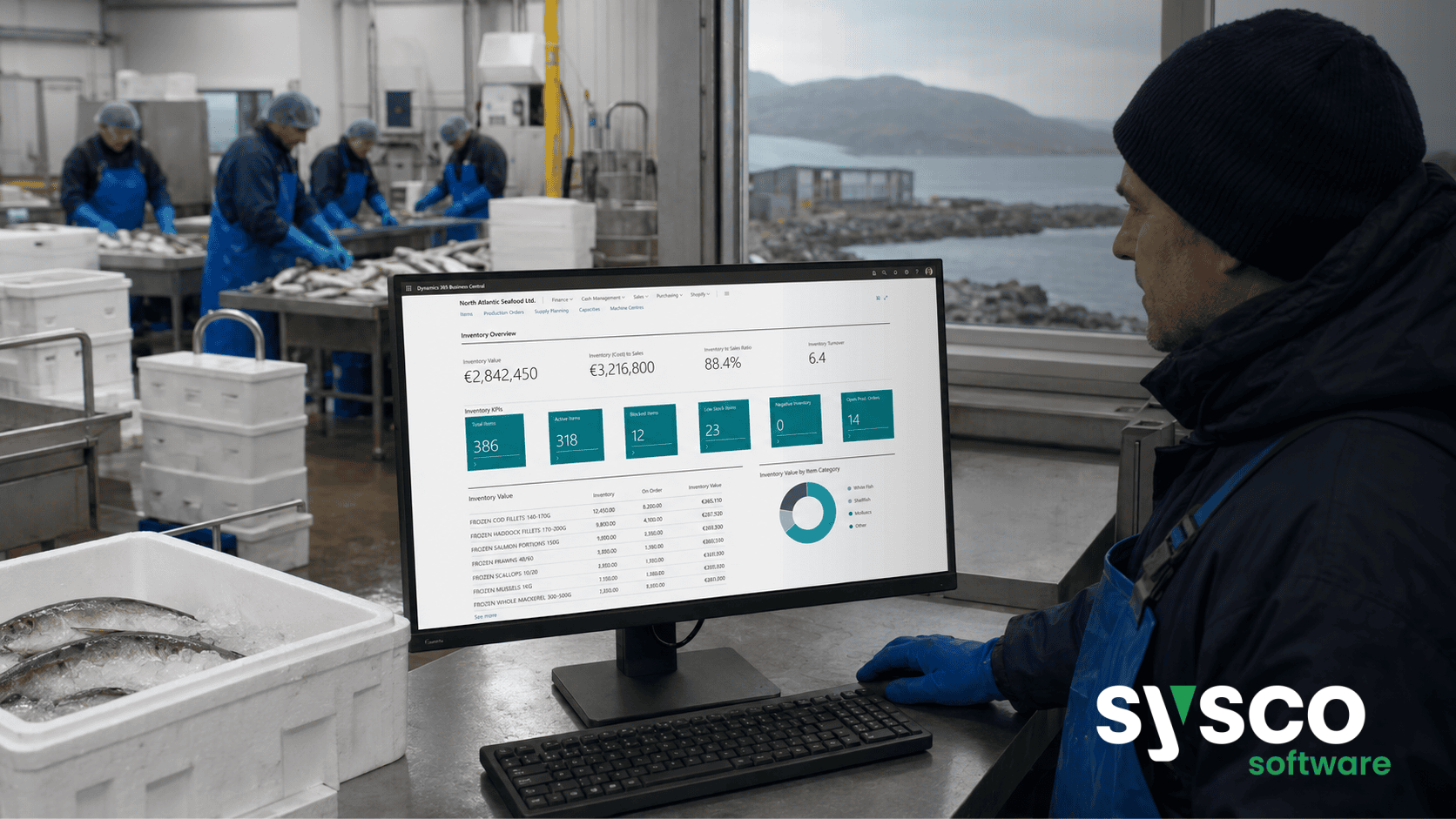
Finance & Operations: One Business Central Platform
The constant cycle of manually reconciling sales order information with inventory levels, then chasing finance approval before production can begin, is a significant bottleneck in many manufacturing and distribution businesses; this friction highlights a common challenge—disconnected systems hindering operational efficiency.
Why Siloed Finance and Operations Hurt Your Business
For organisations relying on disparate finance and operations systems – spreadsheets, legacy ERP platforms, or even manual processes – the cost extends far beyond simply wasted time. These disconnected silos create inefficiencies that impact profitability, visibility, and ultimately, growth potential. Data duplication is a pervasive issue; information entered in one system must be manually transferred to another, increasing the risk of errors and inconsistencies.
The Cost of Disconnected Systems: A Real-World Example
Consider a bakery producing bespoke cakes for weddings and corporate events. Without integrated systems, order processing might reside in a sales CRM, production scheduling in a separate spreadsheet, inventory management handled by hand, and invoicing managed through an accounting package. This manual process leads to delays in production, inaccurate stock levels (potentially resulting in cancelled orders), and difficulties tracking profitability on individual cake designs.
How Business Central Connects the Dots
Microsoft Dynamics 365 Business Central offers a unified platform that breaks down these silos, connecting finance, sales, purchasing, inventory, manufacturing, and more. Imagine all this data flowing seamlessly into one central application – instantly accessible to relevant teams across your organisation.
Key Features for Integration
- Real-Time Visibility: Access up-to-the-minute information on orders, inventory levels, production schedules, and financial performance.
- Automated Workflows: Streamline processes like order fulfillment, invoice generation, and payment reconciliation.
- Centralised Data Management: Eliminate data duplication and ensure accuracy across all departments.
- Integrated Reporting: Generate comprehensive reports that provide a holistic view of your business performance.
Benefits Beyond Automation: Improved Visibility & Control
While automation is a significant benefit, the true power of connecting finance and operations lies in the enhanced visibility and control it provides. With Business Central, management gains access to real-time dashboards that highlight key performance indicators (KPIs), allowing for proactive decision-making.
Enhanced Financial Control
Business Central’s financial management capabilities extend beyond basic accounting. Features like bank reconciliation, cash flow forecasting, and budget control empower finance teams to maintain tighter control over finances, identify potential risks, and optimise resource allocation.
Streamlined Inventory Management
Accurate inventory data is crucial for efficient operations. Business Central provides real-time visibility into stock levels, enabling businesses to avoid stockouts, minimise waste, and improve order fulfillment rates.
Industry Success Stories: Connecting Finance & Operations in Action
Across various industries, organisations are experiencing tangible benefits from integrating their finance and operations with Business Central. For example, a construction materials supplier was able to reduce lead times by 20% after implementing the platform, thanks to improved order processing and inventory management.
Manufacturing Case Study
A food production company struggling with traceability issues implemented Business Central and gained full visibility into their supply chain, from raw material sourcing to finished product distribution. This enhanced transparency not only improved compliance but also strengthened customer trust.
Wholesale Distribution Example
A wholesale distributor using disconnected systems faced challenges in managing returns and tracking profitability on individual products. By implementing Business Central, they streamlined the returns process, gained better insights into product performance, and ultimately increased their profit margins.
Getting Started with a Connected Business Platform
Transitioning to a connected business platform can seem like a significant undertaking, but it doesn’t have to be overwhelming. Sysco Software’s SmartStep methodology provides a structured approach to implementation, ensuring a smooth and successful transition.
SmartStep: A Phased Implementation Approach
- Discover: We work with you to assess your current processes, identify pain points, and define your business requirements.
- Design: Our experts design a tailored Business Central solution that aligns with your specific needs and objectives.
- Implement: We configure and customise the platform, migrate data from legacy systems, and provide comprehensive training to your users.
- Support: Ongoing support and managed services ensure long-term success and continuous optimisation of your Business Central environment.
Connecting finance and operations isn’t just about implementing software; it’s about transforming the way you do business—improving efficiency, gaining better control, and driving sustainable growth. To explore how Sysco Software can help your organisation achieve these benefits, discover our Business Central services.






