
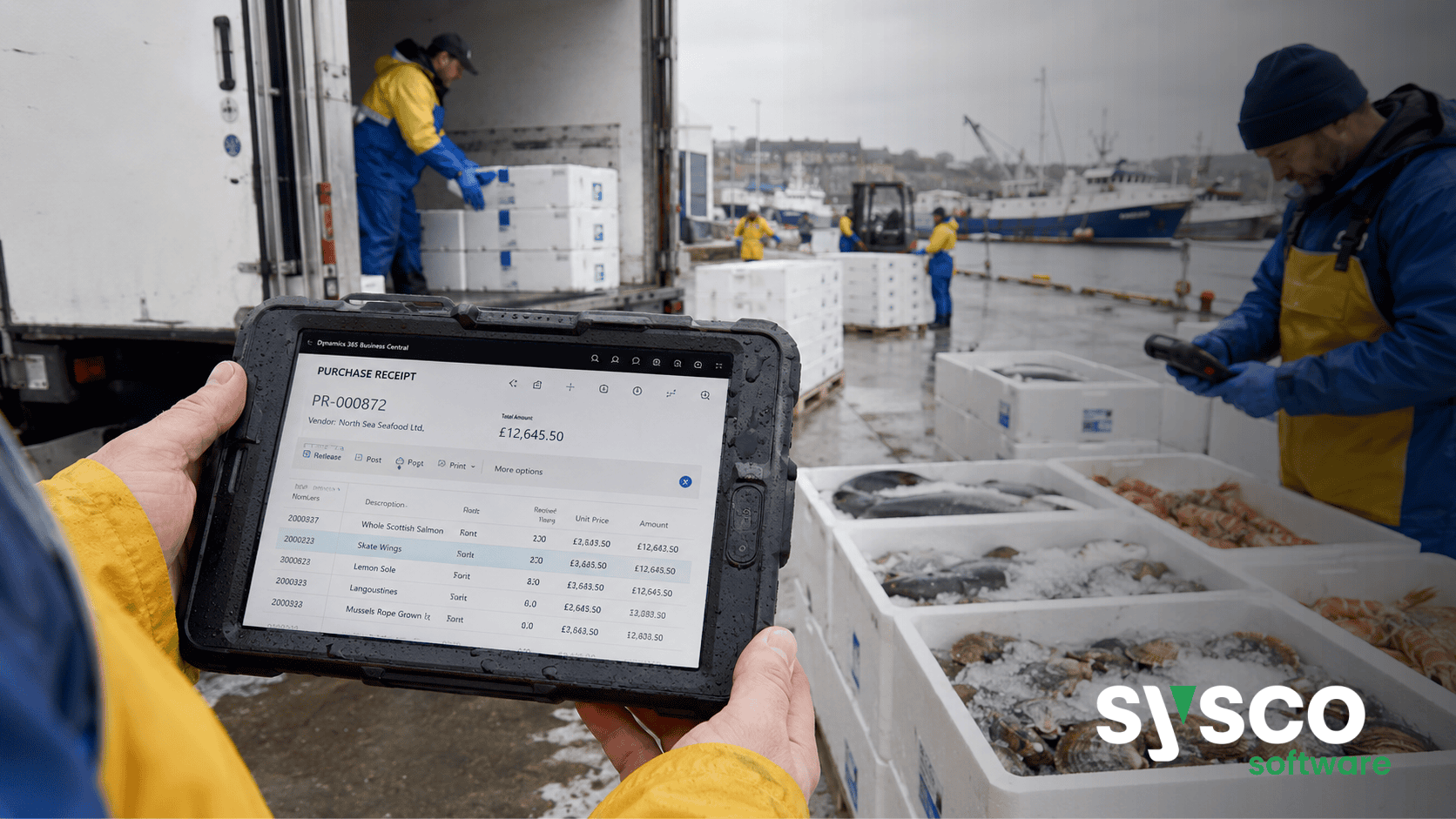
Wholesale Distribution: Facing Regulatory Change
Increasingly stringent reporting requirements around product traceability and origin are forcing wholesale distributors in both Ireland and the UK to reassess their operational processes.
How Changing Regulations Impact Business Operations
The Ripple Effect Across Departments
Regulatory changes rarely affect a single department within a wholesale distribution business; they create a ripple effect that impacts sales, purchasing, warehousing, finance, and reporting. For example, new environmental regulations might necessitate adjustments to packaging materials and delivery routes, impacting procurement and logistics teams. Similarly, evolving food safety standards require more rigorous quality control processes, demanding closer collaboration between warehouse staff and finance for accurate record-keeping.
Increased Administrative Burden
Compliance often translates directly into increased administrative burden. Manual data entry, spreadsheet management, and disparate systems become unsustainable under the weight of new reporting requirements. This not only increases operational costs but also elevates the risk of errors and non-compliance penalties. The time spent on compliance activities could be better allocated to strategic growth initiatives.
Impact on Customer Relationships
While regulatory changes are often driven by external forces, their impact can directly affect customer relationships. Distributors who struggle to meet new standards or provide necessary documentation risk losing business to more compliant competitors. Transparency and traceability have become increasingly important for customers, especially in sectors like food service and agriculture.
Key Areas of Compliance for UK and Irish Distributors
Food Safety Regulations
Distributors handling food products face a complex web of regulations, including those related to hygiene, labelling, allergens, and origin. The Food Safety Modernization Act (FSMA) in the US has influenced standards globally, prompting increased scrutiny on supply chain traceability and risk management.
Environmental Regulations
Growing concerns about sustainability are driving stricter environmental regulations impacting packaging, transportation, and waste disposal. Distributors must adapt to these changes by exploring eco-friendly alternatives and optimizing logistics for reduced carbon emissions.
Data Protection & GDPR
The General Data Protection Regulation (GDPR) continues to shape how distributors handle customer data and supplier information. Maintaining compliance requires robust data security measures, transparent privacy policies, and processes for managing data subject requests.
Trade Compliance & Customs Regulations
Brexit has introduced new complexities in trade compliance for UK-based distributors, requiring careful management of customs declarations, tariffs, and import/export documentation. Similarly, Irish distributors must navigate evolving relationships with the EU and international trading partners.
Leveraging ERP Systems to Streamline Compliance Efforts
Centralized Data Management
A well-implemented ERP system provides a centralized repository for all compliance-related data, eliminating silos and ensuring consistency across departments. This facilitates accurate reporting, simplifies audits, and reduces the risk of errors.
Automated Processes
Many compliance tasks can be automated within an ERP system, such as generating reports, tracking expiration dates, and managing product certifications. Automation frees up staff time for more strategic activities and minimizes the potential for human error.
Real-Time Visibility
ERP systems offer real-time visibility into inventory levels, order status, and supplier performance, enabling distributors to proactively address compliance issues before they escalate. This transparency is crucial for maintaining product traceability and meeting regulatory requirements.
Audit Trails & Reporting
Comprehensive audit trails within an ERP system provide a clear record of all transactions and changes, simplifying audits and demonstrating accountability. Customizable reporting capabilities allow distributors to generate the specific reports required by regulators.
Sysco Software’s Solutions: A Connected Approach to Regulatory Management
Built on Microsoft Dynamics 365 Business Central
Sysco Software’s Wholesale Distribution ERP is built on Microsoft Dynamics 365 Business Central, providing a robust and scalable platform for managing compliance efforts. The system integrates seamlessly with existing business processes, minimizing disruption and maximizing efficiency.
Essential Apps for Compliance
Sysco Essential Apps extend the functionality of Business Central to address specific compliance challenges faced by wholesale distributors. These apps include features for quality control, EDI integration, credit management, and sales analysis – all essential components of a comprehensive compliance program.
Tailored Solutions for Specific Industries
Recognizing that different sectors face unique regulatory requirements, Sysco Software offers tailored solutions for food distribution, FMCG wholesale, energy distribution, flooring distributors, tools and electrical wholesalers. These solutions are designed to address the specific challenges faced by each industry.
A Connected Approach
Sysco Software’s approach goes beyond simply providing software; it’s about creating a connected ecosystem that supports every aspect of regulatory compliance. From sales order processing to finance reporting, all data is integrated and accessible in real-time, ensuring accuracy and efficiency.
Next Steps: Assessing Your Current Compliance Posture
Understanding your current level of compliance readiness is the first step towards addressing evolving regulatory pressures. We invite you to book a walkthrough with one of our specialists to discuss your specific needs and explore how Sysco Software’s Wholesale Distribution ERP can help streamline your compliance efforts and unlock operational efficiencies.






