
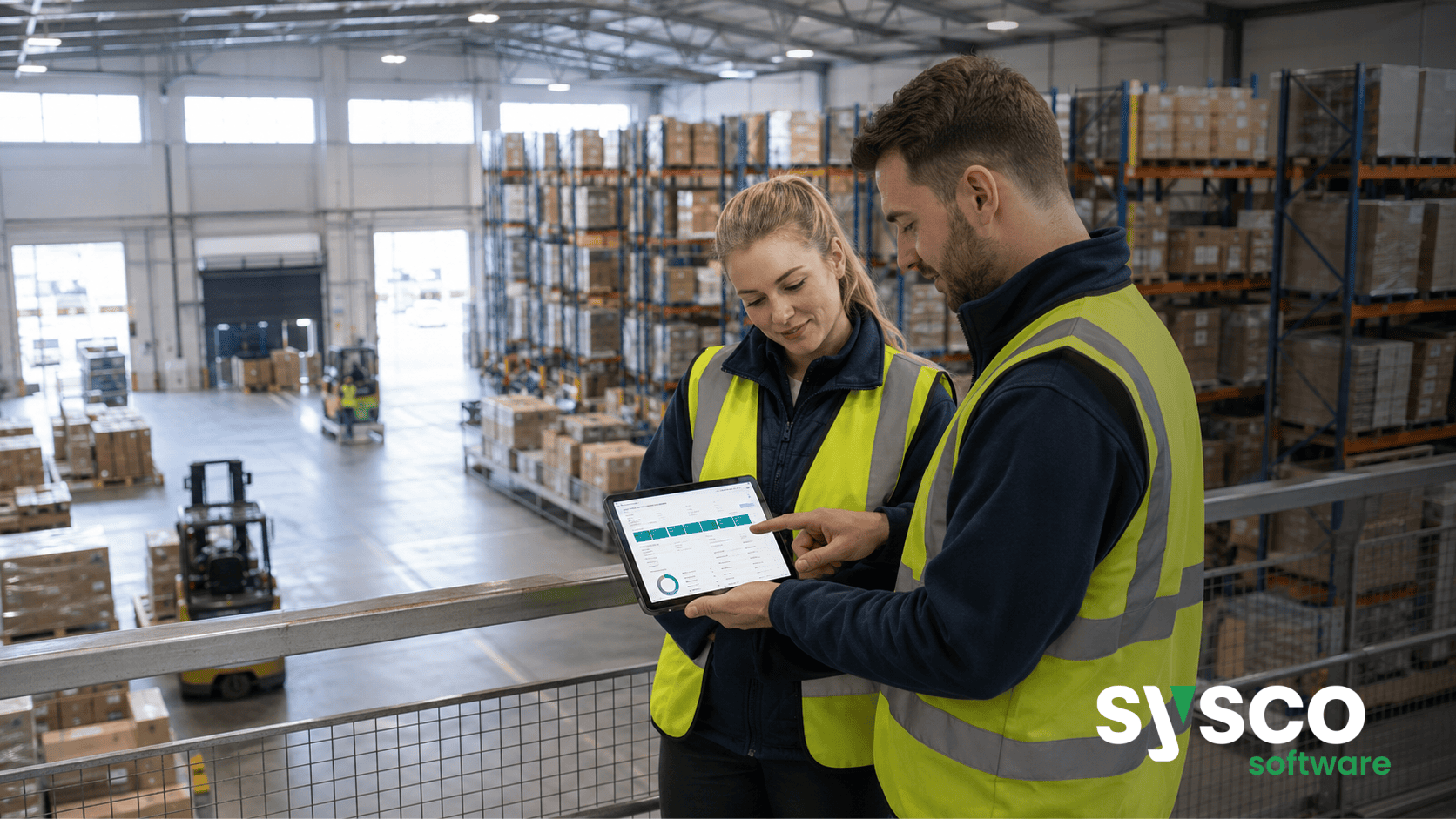
ERP Replacement: Dynamics 365 vs. Sage 200
Challenging the Perception of Sage 200 as a Long-Term Solution
Many UK manufacturers initially believe that Sage 200 is a suitable, cost-effective ERP solution for their businesses, particularly in the early stages of growth. However, this perception often fails to account for the limitations that arise as companies expand and face increasingly complex operational demands; it’s not uncommon to see businesses outgrowing Sage 200 within just a few years.
Why Many Manufacturers Start with Sage 200 (and Why They Outgrow It)
Sage 200 has long been a popular choice for UK manufacturers, particularly those in the food and beverage sector or smaller engineering firms. Its initial appeal lies in its relatively straightforward implementation and user-friendly interface, making it seem accessible to businesses lacking extensive IT resources.
Furthermore, the familiar Sage brand often provides reassurance, especially for companies already using other Sage products. However, as these businesses grow—expanding their product lines, increasing production volumes, or entering new markets—the inherent limitations of Sage 200 become increasingly apparent.
Common Reasons for Outgrowing Sage 200
- Limited Scalability: Sage 200’s architecture struggles to handle the increased transaction volume and data complexity that comes with business expansion.
- Lack of Integration Capabilities: Integrating Sage 200 with other essential systems, such as CRM or e-commerce platforms, can be challenging and often requires costly workarounds.
- Reporting Restrictions: Generating comprehensive reports to gain meaningful insights into operational performance becomes increasingly difficult within the confines of Sage 200’s reporting tools.
- Process Automation Gaps: The lack of robust automation capabilities hinders efficiency and increases the risk of manual errors, impacting productivity and profitability.
The Limitations of Sage 200 for Growing UK Businesses
While Sage 200 can be adequate for smaller operations, its limitations become significant obstacles to growth and competitiveness. The inability to seamlessly integrate with other business systems creates data silos, hindering real-time visibility and informed decision-making. For example, a manufacturer experiencing rapid growth in online sales might find that integrating their e-commerce platform with Sage 200 is cumbersome and prone to errors, leading to order fulfillment delays and customer dissatisfaction.
Furthermore, the reporting capabilities within Sage 200 are often insufficient for businesses requiring detailed analysis of production costs, inventory levels, or sales performance. This lack of insight can make it difficult to identify areas for improvement and optimize operational efficiency. The challenges extend beyond simple reporting; many manufacturers find that customising Sage 200 to meet specific business needs is complex and expensive, further exacerbating the limitations.
Dynamics 365: A Scalable ERP Solution for Manufacturing
Microsoft Dynamics 365 offers a significantly more scalable and flexible ERP solution tailored to the evolving needs of UK manufacturers. Unlike Sage 200’s more rigid structure, Dynamics 365 is built on a modular platform, allowing businesses to select only the modules they need and add functionality as their requirements change. This modularity extends across Dynamics 365 Business Central, Finance, and Supply Chain Management, providing options for varying levels of complexity.
Dynamics 365’s cloud-based architecture ensures accessibility from anywhere with an internet connection, fostering collaboration among teams and facilitating remote work. The platform’s robust integration capabilities enable seamless data flow between Dynamics 365 and other business systems, providing a unified view of operations and empowering informed decision-making. This is particularly valuable for manufacturers managing complex supply chains or dealing with fluctuating demand.
Key Differences: Dynamics 365 vs. Sage 200 Functionality
The differences between Dynamics 365 and Sage 200 extend far beyond mere functionality; they represent fundamentally different approaches to ERP management. Dynamics 365 offers a comprehensive suite of modules, including Finance, Supply Chain Management, Sales, Field Service, and Business Central, providing a holistic view of the entire business operation.
Comparative Feature Breakdown
- Supply Chain Management: Dynamics 365 provides advanced capabilities for demand forecasting, inventory optimisation, and warehouse management, which are largely absent in Sage 200.
- Manufacturing Execution System (MES) Integration: Dynamics 365 seamlessly integrates with MES systems, providing real-time visibility into production processes—a critical requirement for modern manufacturing environments.
- Advanced Analytics & Reporting: Dynamics 365 offers powerful analytics and reporting tools, enabling businesses to gain deeper insights into their operations and identify areas for improvement.
- Customisation & Extensibility: Dynamics 365’s Power Platform allows for extensive customisation and the development of bespoke applications tailored to specific business needs.
Implementation Considerations: Transitioning from Sage 200 to Dynamics 365
Migrating from Sage 200 to Dynamics 365 is a significant undertaking that requires careful planning and execution. While the benefits are substantial, businesses must be prepared for potential challenges such as data migration complexities and user training requirements.
A phased implementation approach is often recommended, allowing businesses to gradually transition to Dynamics 365 while minimising disruption to ongoing operations. Sysco Software’s ERP project recovery specialists can assist with this process, providing expert guidance on data cleansing, system configuration, and user adoption. Partner transition services are also available for organisations seeking a smooth handover from their current provider.
Real-World Benefits: Sysco Software’s Support for UK Manufacturers
Sysco Software has extensive experience in assisting UK manufacturers with ERP implementations and optimisations. Our team of experienced consultants works closely with clients to understand their specific business needs and tailor solutions that deliver tangible results. We’ve helped numerous businesses transition from Sage 200 to Dynamics 365, enabling them to streamline operations, improve efficiency, and achieve sustainable growth.
Our support extends beyond initial implementation; we provide ongoing support and optimisation services to ensure that our clients continue to realise the full potential of their Dynamics 365 investment. From ERP support takeover to troubleshooting complex issues, Sysco Software is committed to helping UK manufacturers thrive in a competitive landscape.
If you’re considering an ERP replacement and exploring options beyond Sage 200,contact us todayto discuss your specific needs and discover how Dynamics 365 can transform your business.






